
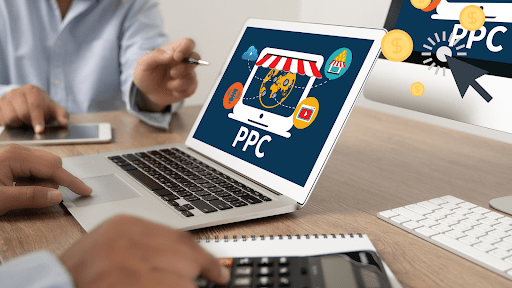
Pay Per Click (PPC) is a powerful tool every marketer should have in their arsenal. While some might prefer advertising strategies that don’t involve spending money, PPC is a savvy investment – Google conservatively estimates that businesses make an average of $2 in revenue for every $1 they spend on Google Search and Ads. You can expand that by using other search engines and social media sites.
If you want to use PPC to amplify your next marketing campaign, here are four strategies to bring it to its full potential.
Maximise your existing PPC plan
PPC is not a stagnant marketing strategy. Even if your company has already benefited from your campaign these past few months, it’s best to schedule a regular review of your efforts and your competitor’s metrics to ensure your campaign is the best it could be and generates a positive ROI.
To do this, digital agency Ayima recommends conducting a PPC audit where you examine your account structure, keyword usage, landing copy, bidding and your tracking of sales, newsletter subscriptions, and other relevant factors. Focus on the areas that will give you the most helpful results. Once you’ve done this, you can combine the resulting powerful insights with your expertise and create enhanced PPC strategies for your next campaigns.
Customise ads for your target market
While you’ll want your PPC plan and other advertising efforts to reach as wide of an audience as possible, it’s important to remember that you shouldn’t put in uniform effort for every kind of customer – for example, someone who is exposed to your campaign but has no interest in being converted. Instead, focus your PPC strategy on those who fit your target demographic, especially those who have already shown interest in your product. If someone has spent some time browsing your web page, you can cookie that user and retarget them using search and display ads to remind them of your brand. This makes it more likely that they will continue on their buyer journey.
Additionally, to ensure the content of your PPC ads fit your target audience, Harvard Business School suggests experimenting with A/B testing. This way, you’ll be able to discern the specific elements of campaigns that work for your customers – and if they don’t, you’ll have learned that in the experimental stage before staking too much of your budget on your campaign. In fact, Harvard Business School finds that firms that used A/B testing had higher page views, and their web page visitors browsed more pages and stayed longer.
Add ad extensions
A PPC campaign increases your chances of catching your target market’s eye. Once you have their attention, it’s vital to put your best foot forward and display your most relevant offerings immediately. Search Engine Journal proposes using ad extensions, which will allow you to show your business’s address, phone number and other information directly below your ads and allows your customer to engage with your business there and then. You can even use review extensions to show off positive reviews and gain your customer’s trust. Insert ad extensions to improve your click-through rate and lessen the friction in your customer’s buyer journey.
Integrate with other marketing strategies
Your PPC campaign doesn’t have to operate on its own. Our article ‘7 Tips to Broaden Your Customer Reach and Increase Sales’ advises incorporating your other digital marketing strategies. For example, you can use PPC to test the keywords that raise your website traffic and then use that knowledge to improve your SEO. If your website has a blog, you can integrate a wealth of brand-cohesive content within your PPC campaign to keep users engaged over time. This combination of content marketing and PPC strategy can help you reach more people and drive more conversions. Take stock of all your marketing methods and find ways to unite them with your PPC plan.
PPC is a rewarding marketing investment. To get the most out of this advertising method, follow the four strategies above.