
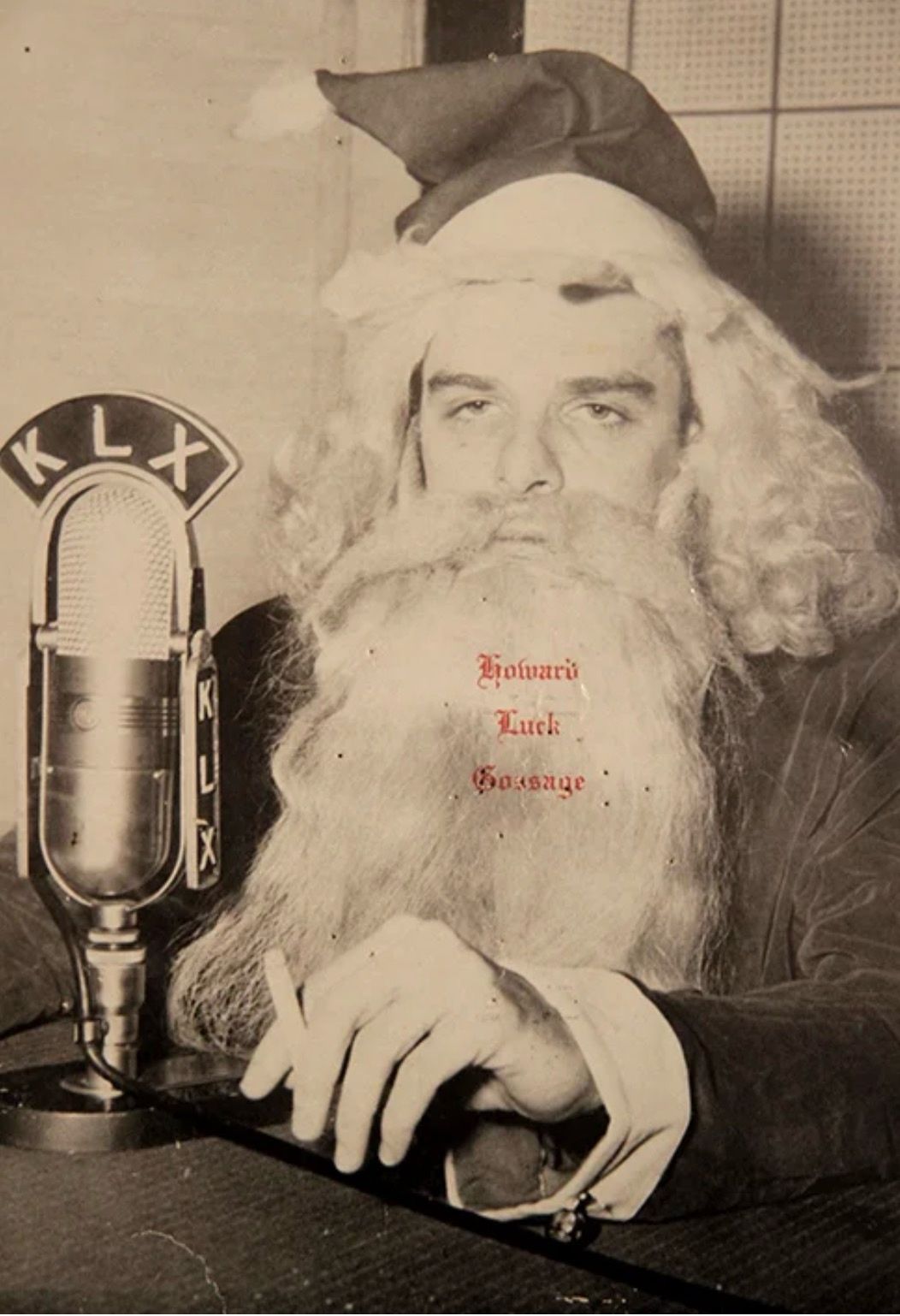
In a recent, and rather whimsical, LinkedIn post, Justin Oberman directly addresses the platform’s algorithm, expressing a desire for increased visibility for a shared vintage Christmas card. Oberman’s unique approach frames his request in the persona of a child writing to Santa Claus, highlighting a relatable sentiment among many users who strive for greater reach on the professional networking site.
A Direct Appeal to the Algorithm
Oberman’s post, characterized by its lighthearted tone, uses a familiar holiday trope to convey a common user goal: engagement. He personifies the LinkedIn algorithm, treating it as a benevolent entity capable of granting wishes, particularly those related to post performance. The core of his message is a simple, yet effective, plea for distribution and interaction.
“Dear LinkedIn Algorithm
I’ve been a good boy.All I wan’t for Christmas is for a lot of people to see this post of a vintage Christmas card from a young Howard Luck Gossage.”
As Oberman notes, the primary objective is exposure for the content itself – a vintage Christmas card featuring Howard Luck Gossage. This focus suggests an appreciation for historical marketing figures or a specific interest in the artifact being shared. The request isn’t just for views, but for a specific kind of engagement that signals value to the platform.
The Hierarchy of Engagement
The post further delineates a tiered system of desired outcomes, mirroring the way users often strategize for maximum impact on social media. Oberman playfully outlines increasing levels of engagement, each with its own ‘reward’ in the context of the holiday analogy.
“Bonus if you can get them to like it too.
Extra cookies if they comment.”
According to Oberman, a ‘bonus’ is achieved through likes, indicating a positive reception from viewers. The highest tier of engagement, however, is reserved for comments. This aligns with common understanding on social platforms, where comments often represent a deeper level of interaction and can significantly boost a post’s algorithmic standing. Oberman’s framing suggests that while visibility is key, meaningful interaction is the ultimate prize.
A Mirror to User Aspirations
In Oberman’s view, this post serves not only as a personal wish but also as a commentary on the very nature of engagement-driven platforms like LinkedIn. Users often find themselves navigating the intricacies of algorithms, attempting to understand what drives visibility and interaction. Oberman’s creative approach taps into this shared experience, using humor to underscore a universal desire for connection and recognition within the digital space.
By framing his request in such a personal and festive manner, Justin Oberman highlights the human element behind the data and analytics that govern social media. His post, while brief, resonates with anyone who has posted content online and hoped for it to be seen, liked, and discussed, especially during a time associated with giving and sharing.
📝 About This Content
This article is based on insights shared by Justin Oberman on LinkedIn.
📅 Originally posted on December 24, 2025 | View original post on LinkedIn →