
In a recent LinkedIn post, John Barrows challenges the pervasive narrative of constant scaling and exponential growth that dominates much of the business world, particularly within the SaaS and Tech industries. Barrows suggests that for many small business owners, the pursuit of relentless expansion might be detracting from a more sustainable and fulfilling business model. He posits that a focus on building a good, profitable business that aligns with personal goals is a perfectly valid, and often happier, alternative to scaling at all costs.
Barrows opens his post by reflecting on a common theme emerging from his recent discussions with his wife, COO, friends, and colleagues, many of whom lead small businesses. He observes a widespread sense of exhaustion, often fueled by the constant barrage of advice promoting rapid growth.
“Everywhere you look, there’s a post, book, business coach, etc. talking about how to scale your business and achieve exponential growth.”
He admits to being caught in this very mindset, stating, “I’ll admit it, living in the SaaS/Tech industry, I get caught up with scaling and growing just like everyone else.” This personal acknowledgment lends authenticity to his subsequent questioning of the universal applicability of the scaling imperative.
Challenging the Growth Dogma
The core of Barrows’ argument centers on the idea that there is nothing inherently wrong with choosing not to scale. He directly confronts the assumption that growth is always the ultimate objective, asking, “But wheat wrong with NOT scaling and just building a good, profitable business that works the way you want it to?” His emphatic answer, “NOTHING! That’s the answer. Absolutely nothing is wrong with NOT scaling,” serves as a powerful counterpoint to the prevailing business ethos.
Barrows further elaborates on this sentiment, suggesting that happiness and satisfaction in business ownership are often more attainable when scaling is not the primary driver. According to John Barrows, “most small business owners are way more happy when they don’t scale and keep their teams small.” This perspective emphasizes the potential for a more balanced and personally rewarding entrepreneurial journey, prioritizing operational efficiency and team well-being over sheer size.
The Value of Sustainable Business Models
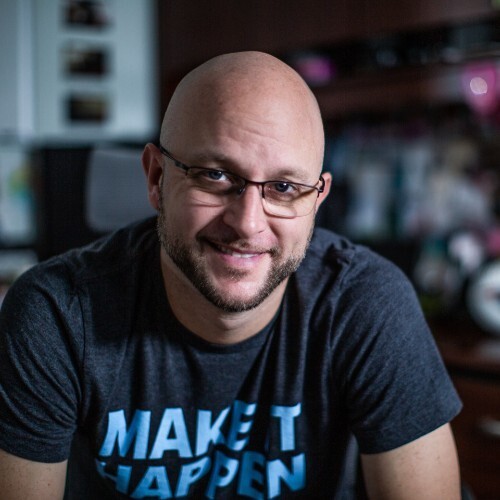
Barrows discusses this topic further with his business coach, Jonathan Domsky, on the “Make it Happen Monday” podcast. This highlights his belief in the importance of exploring alternative business philosophies beyond the standard growth-first approach. By featuring this conversation, Barrows aims to provide valuable insights for founders and aspiring entrepreneurs who may be feeling the pressure to scale excessively.
Founder Happiness and Business Trajectory
As John Barrows prompts his audience, “If you’re a founder, when were you ‘happiest’ with your business?” this question invites introspection about what truly constitutes success. Is it market dominance and rapid expansion, or is it a stable, profitable enterprise that provides a good quality of life for its owners and employees? Barrows’ post suggests that the latter can be a more fulfilling and sustainable path for many.
His recommendation to connect with business coach Jonathan Domsky for those considering self-investment in the new year underscores the value of personalized guidance. Barrows notes that Domsky has been instrumental in his own journey, implying that strategic coaching can help individuals define and achieve their unique business aspirations, whether they involve scaling or maintaining a more focused operation.
In essence, John Barrows’ LinkedIn post serves as a timely reminder that the definition of business success is not monolithic. It encourages a critical examination of the relentless pursuit of growth and advocates for the merits of building robust, profitable businesses that align with the founders’ personal vision and operational preferences.
📝 About This Content
This article is based on insights shared by John Barrows on LinkedIn.
📅 Originally posted on December 30, 2025 | View original post on LinkedIn →