
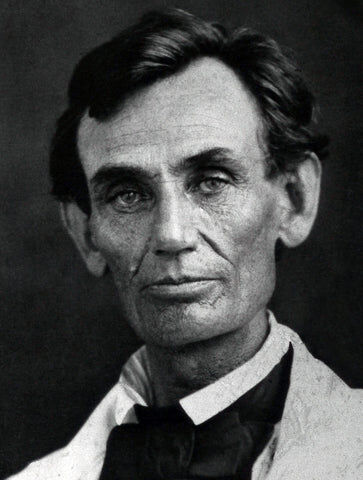
In a recent LinkedIn post, Justin Oberman explores the surprising branding genius behind Abraham Lincoln’s iconic beard, reframing it not just as a personal choice but as a strategic, attention-grabbing marketing decision. Oberman highlights how this seemingly simple physical attribute became a powerful symbol that significantly impacted Lincoln’s public perception and presidential legacy.
Oberman begins by recounting the well-known anecdote of 11-year-old Grace Bedell’s letter to then-nominee Lincoln, suggesting he grow a beard to appear more presidential. However, he points out a crucial, often-overlooked detail: Lincoln also received similar advice from political strategists.
“So Lincoln had two letters telling him to grow a beard. One from political strategists. One from a little girl.”
According to Justin Oberman, Lincoln’s decision to publicly embrace the advice and even make a special stop to acknowledge young Grace Bedell was a masterful display of understanding symbolism and narrative. Oberman suggests this was more than just heeding advice; it was a deliberate act to craft a compelling story.
The Power of the Unexpected Visual
Justin Oberman argues that the strategic brilliance of Lincoln’s beard lies in its disconnect from his political platform. It was an unexpected visual element that served purely to capture attention and create memorability, a principle he likens to David Ogilvy’s famous “eyepatch” advertising strategy.
Ogilvy’s Eyepatch: A Precedent for Distinctive Branding
Oberman draws a parallel to David Ogilvy’s 1951 campaign for Hathaway shirts. Faced with a small budget, Ogilvy introduced an eyepatch on the model, an element with no logical connection to shirt sales.
“The eyepatch had nothing to do with shirts. But it had everything to do with attention and memorability. It created what Ogilvy called ‘story appeal.’ Who was this man? How did he lose his eye? Was he a spy? A war hero?”
As Justin Oberman notes, this tactic generated intrigue and made the advertisement instantly memorable. He contends that Lincoln’s beard operated on the same principle, creating a distinctive and unexpected visual asset that altered public perception.
The Overlooked Principle of Branding
Justin Oberman emphasizes that this strategy—utilizing an element that has no direct logical tie to the core product or expertise—is one of the most overlooked aspects of branding, both personal and corporate. He posits that the most potent brand assets are often those that seem out of place.
“Your most powerful brand asset might have nothing to do with your product or your expertise. It might be the thing that has no logical reason to be there at all. The thing that doesn’t belong is often the thing people remember most.”
In Oberman’s view, Lincoln’s beard, like Ogilvy’s eyepatch, demonstrates that sometimes the most effective way to stand out and be remembered is by incorporating an element that is distinctive precisely because it doesn’t seem to ‘belong.’ This approach fosters curiosity and storytelling, making the brand or individual more engaging and memorable in the long run.
📝 About This Content
This article is based on insights shared by Justin Oberman on LinkedIn.
📅 Originally posted on February 12, 2026 | View original post on LinkedIn →