
In a recent LinkedIn post, Justin Oberman delves into a classic advertising case study to illustrate the power of authenticity in branding, both for companies and individuals. Oberman uses the transformation of Frank Perdue from a simple chicken farmer into a recognizable brand icon to highlight how imperfections can serve as a unique competitive advantage, particularly in an era increasingly dominated by artificial intelligence.
The Birth of Branded Chicken
Before the 1970s, Oberman explains, consumers primarily bought chicken based on availability rather than brand preference. “Chicken was chicken,” he writes, noting the absence of loyalty or perceived differentiation among poultry products. This landscape changed dramatically with the intervention of advertising innovator Ed McCabe, who was instrumental in transforming Frank Perdue into a household name.
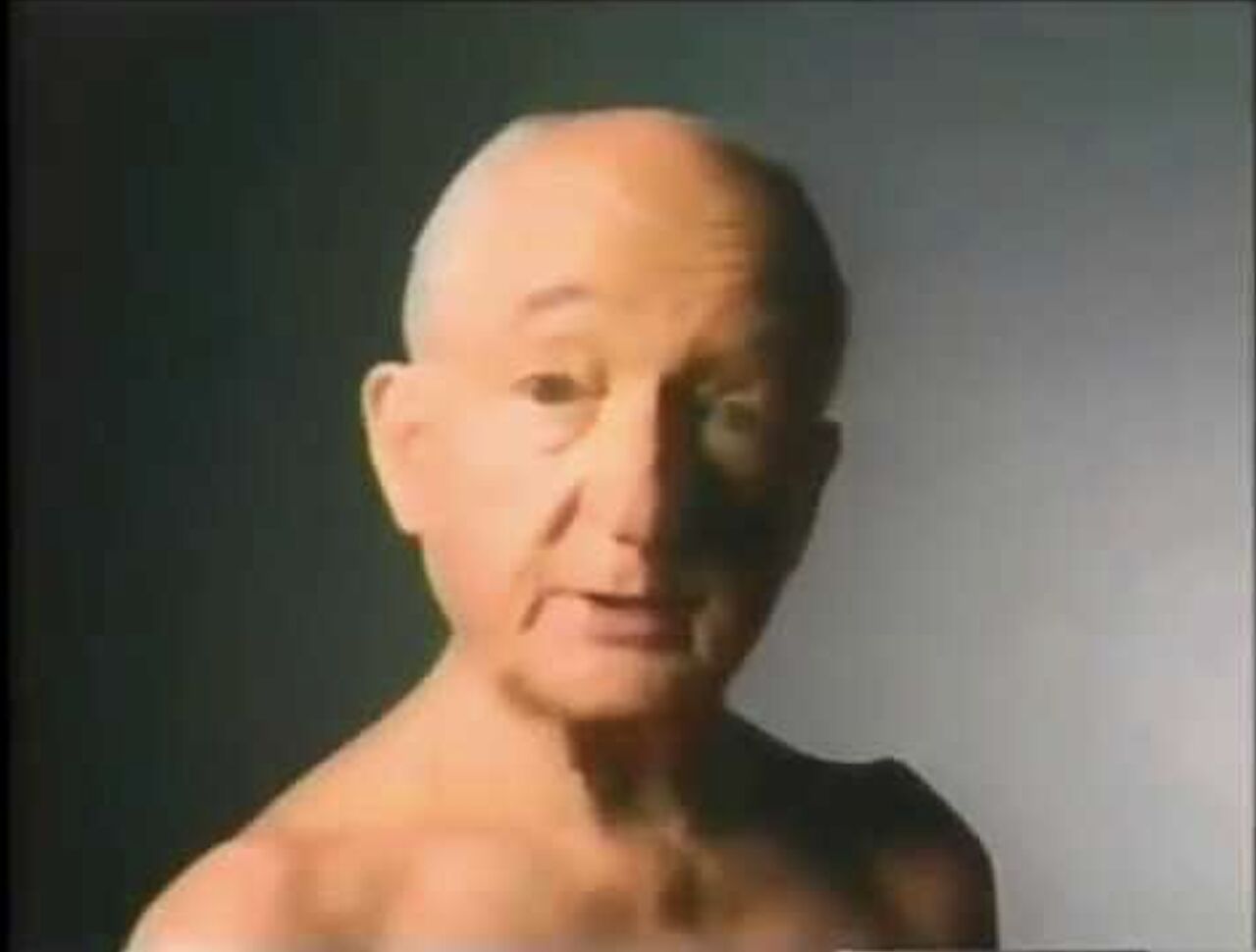
“McCabe put Frank Perdue himself in the ads. A man who, by his own admission, looked more like a chicken than any spokesman had a right to. Balding, beaky, squinting at the camera like he was personally offended that you were buying someone else’s poultry.”
Oberman emphasizes that the unconventional choice to feature Perdue’s distinctive, almost awkward appearance was precisely what made the campaign effective. The prevailing advertising wisdom at the time would have favored a polished, attractive spokesperson. However, as Oberman points out, Perdue’s unvarnished presentation signaled authenticity.
Imperfection as a Brand Asset
According to Justin Oberman, the key takeaway from the Perdue campaign is that perceived flaws can actually build trust and credibility. The very awkwardness that might have disqualified a traditional spokesperson served to convince consumers that Frank Perdue was genuinely involved in the chicken-raising process. His unique look, coupled with the memorable tagline, fostered a sense of realness.
“The lesson here is for both brands and personal brands. Your imperfections aren’t something to hide. They’re the proof that you’re real.”
This direct correlation between Perdue’s relatable, non-traditional appearance and increased sales – which Oberman states rose sevenfold – underscores his central argument. The success wasn’t despite Perdue’s look, but because of it. This approach created America’s first branded chicken by making the farmer, and by extension his product, relatable and trustworthy.
Authenticity in the Age of AI
Oberman extends this lesson to contemporary branding strategies, particularly in the context of rapidly advancing AI technologies. He posits that in an environment where AI can generate highly polished but potentially impersonal content, genuine human characteristics and even imperfections become a distinct advantage.
The “Looking Like a Chicken” Moment
The article concludes with Oberman posing a direct question to his audience, encouraging them to identify their own “looking like a chicken” moment – the unique, perhaps unconventional, aspect of their personal or brand identity that can foster genuine connection and trust. As Justin Oberman suggests:
“And in the age of AI, being real is your competitive advantage.”
By revisiting the success of Frank Perdue, Oberman provides a compelling historical precedent for embracing authenticity, arguing that it remains a powerful differentiator for anyone seeking to build a lasting brand in today’s business world.
📝 About This Content
This article is based on insights shared by Justin Oberman on LinkedIn.
📅 Originally posted on March 20, 2026 | View original post on LinkedIn →