
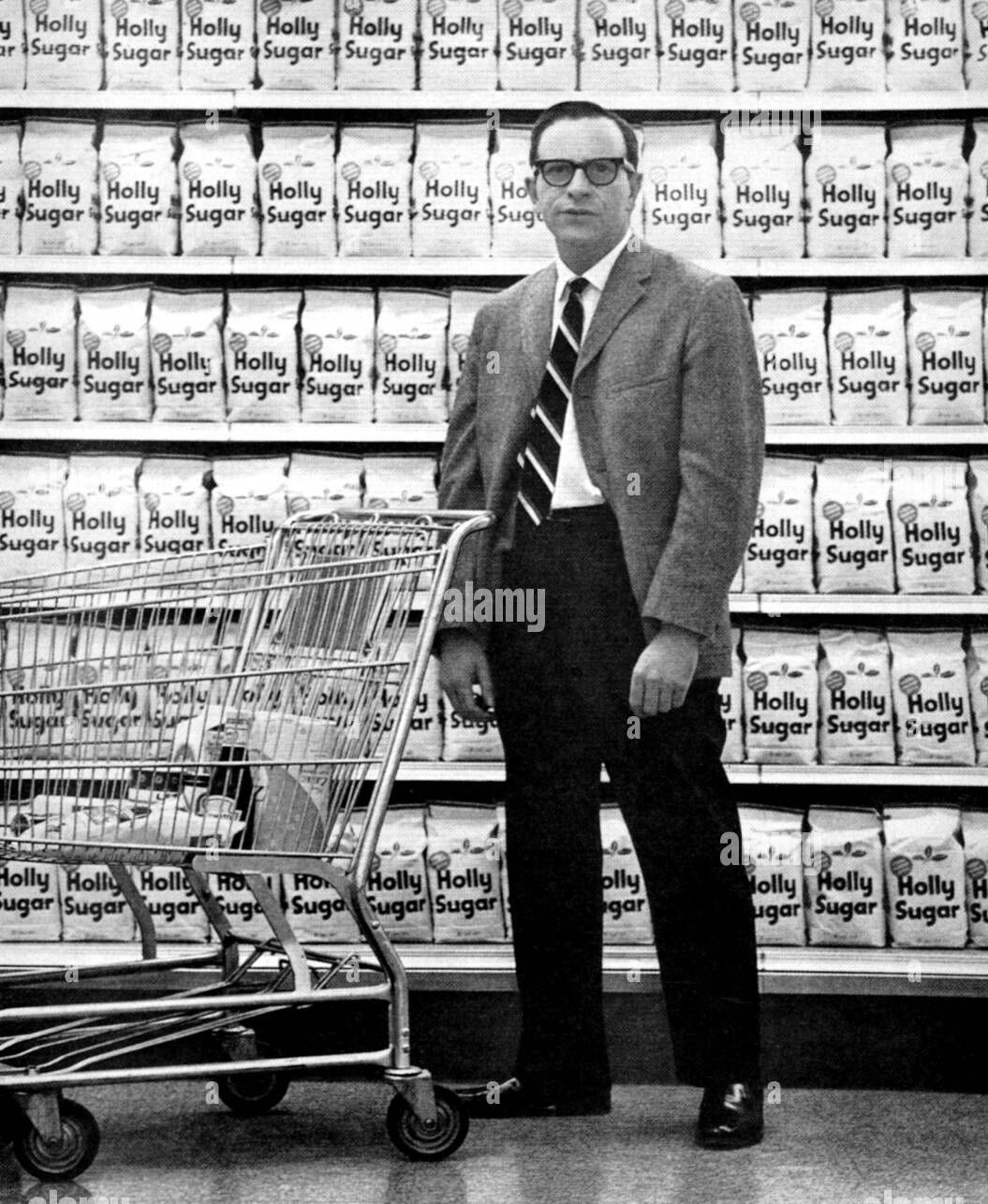
In a recent LinkedIn post, Justin Oberman explores the surprising parallels between the enduring appeal of vintage print advertisements and the success of seemingly simple content on professional networking platforms like LinkedIn. Oberman, who admits to finding enjoyment in reading old print ads on a Friday morning, delves into what makes these advertisements, and by extension certain LinkedIn posts, so effective.
The Enduring Power of Vintage Advertising
Oberman’s fascination with old print ads stems from their ability to resonate even when the context has changed, such as an ad for sugar when the viewer no longer consumes it. He questions what makes these ads so compelling, suggesting the reasons go beyond the immediate creative elements presented.
“I’m fascinated about what makes this ad so good. And there are more than one. And they also have to do more than just the creative that you seen in front of you.”
This observation leads Oberman to draw a connection between the principles of effective advertising and the dynamics of content performance on LinkedIn. He posits that the core elements contributing to the success of both are remarkably similar.
Key Ingredients for Engaging Content
According to Justin Oberman, the success of both vintage ads and impactful LinkedIn posts can be distilled into two fundamental principles:
- Simplicity: Content should be easy to understand and digest.
- Excitement: Content needs to capture attention and generate interest.
Oberman highlights that the true challenge lies not in identifying these principles, but in understanding how to apply them effectively in a specific context.
Defining ‘Simple’ and ‘Exciting’
The difficulty, as Justin Oberman points out, is in defining what constitutes ‘simple’ and ‘exciting’ in relation to the target audience and the broader landscape of content. What might be simple and exciting to one person or in one era could be perceived differently in another.
“The hard part is figuring out simple and exciting compared to what?”
He suggests that this nuanced understanding is crucial for creating content that truly connects. Oberman’s exploration implies that by dissecting the timeless appeal of well-crafted advertisements, professionals can gain valuable insights into optimizing their own communication strategies on platforms like LinkedIn.
Broader Implications for Content Creation
Oberman’s analysis encourages a deeper consideration of content strategy, moving beyond superficial metrics to understand the underlying psychological drivers of engagement. He notes that while the medium may change from print to digital, the fundamental human desires for clarity and stimulation remain constant.
“I think the reasons behind what makes this add so good and the reason why some seemingly simple LinkedIn post performed so well are more similar than you you think”
Ultimately, Justin Oberman’s reflections serve as a reminder that effective communication, whether in a 1960s sugar ad or a modern social media post, relies on a thoughtful balance of clarity and impact. He indicates that these insights are topics he frequently discusses further in his own newsletter.
📝 About This Content
This article is based on insights shared by Justin Oberman on LinkedIn.
📅 Originally posted on April 3, 2026 | View original post on LinkedIn →