
In a recent LinkedIn post, sales trainer John Barrows delves into the foundational elements of successful sales outreach, emphasizing a systematic approach over haphazard tactics. Barrows highlights a process he calls ‘Filling the Funnel,’ which, he argues, is often misunderstood or improperly executed by sales representatives.
Barrows outlines the critical steps involved: defining the Ideal Customer Profile (ICP), mapping buyer personas, identifying trigger events, building effective messaging, and designing a comprehensive contact strategy. He stresses that each stage is interdependent and requires a robust system to function correctly.
“Most reps skip straight to messaging. They write emails with no idea who they’re actually targeting, why now matters, or what the buyer cares about. Then they wonder why nobody responds.”
The Perils of Skipping Foundational Steps
According to Barrows, a common pitfall for many sales professionals is bypassing the initial, crucial steps of defining their target audience and understanding buyer motivations. This leads to generic and ineffective outreach, resulting in low response rates.
As John Barrows notes, the framework itself is not inherently complex, but successful execution hinges on having the necessary data organized and accessible. He elaborates on how each component of the sales process should be integrated:
- ICP in the CRM: Barrows insists that the ICP should reside within the Customer Relationship Management (CRM) system, segmented by relevant business criteria, rather than in spreadsheets or relying on memory.
- Personas Tied to Accounts: Buyer personas should be directly linked to specific accounts, including real contact information and context about their interests.
- Tracking Trigger Events: Identifying and logging trigger events such as job changes, funding rounds, or product launches is essential for creating urgency and relevance. Barrows warns against relying solely on memory, stating:
“If you’re not logging that in your system, you’re relying on memory. Memory doesn’t scale.”
- Messaging Informed by Data: Effective messaging, Barrows argues, should be derived from a thorough review of account history, activities, and notes within the CRM.
- Integrated Contact Strategy: The contact strategy should be built directly into the sales pipeline stages as automated tasks, ensuring timely and relevant follow-up without manual intervention.
The CRM as an Execution Engine
John Barrows emphasizes that a CRM’s primary function should be to drive sales execution, not merely to track activities for managers or generate unread reports. He observes that many teams, particularly small and mid-sized ones, struggle with this, often using spreadsheets or overly complex enterprise CRMs.
He points out the gap in the market for a solution that offers simplicity and scalability:
“Most reps don’t have that. Most small and mid-sized teams especially don’t have that. They’re either running on spreadsheets or paying for an enterprise CRM that’s way too complex for what they need.”
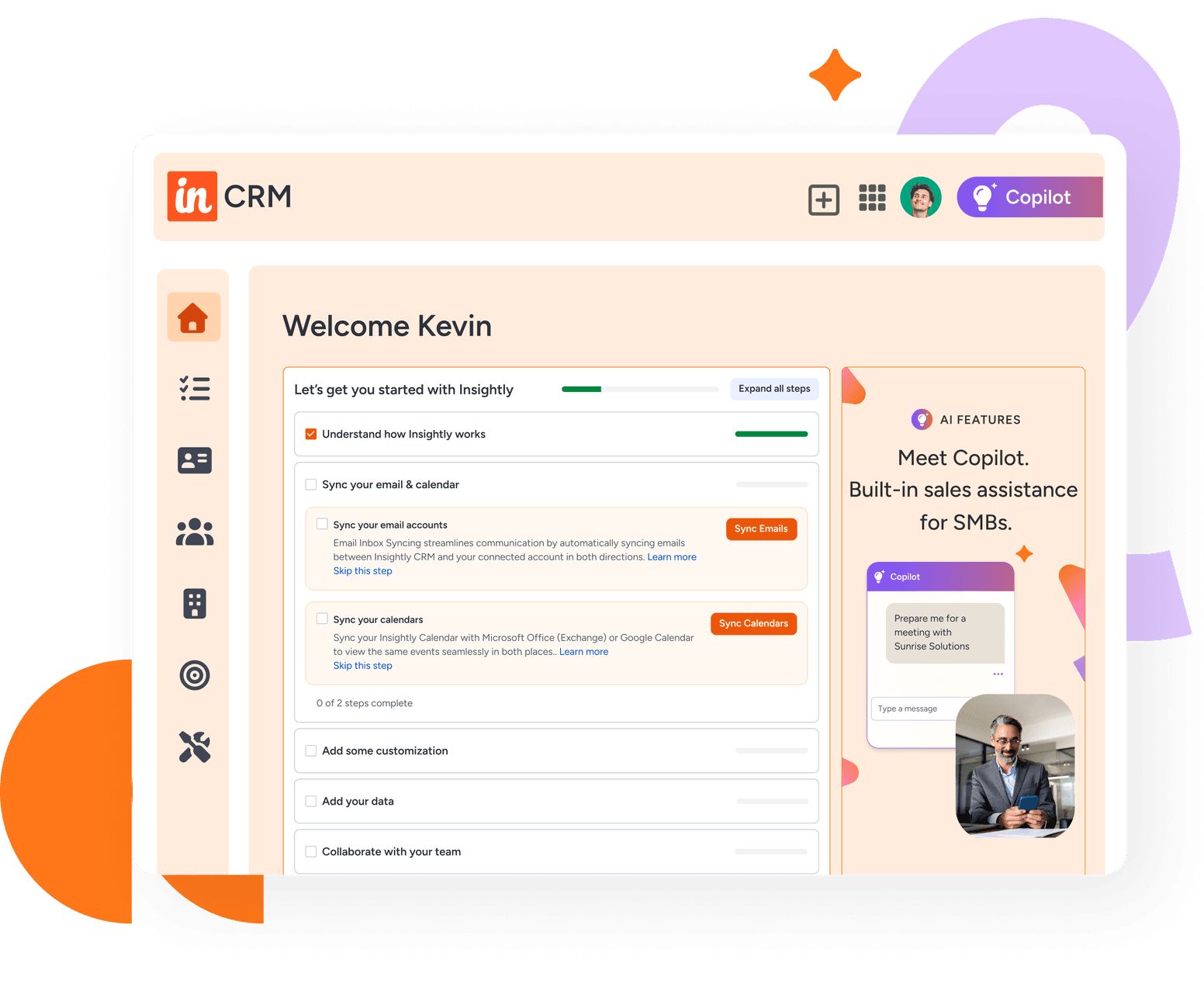
Barrows suggests that tools like Insightly CRM by Unbounce can address this need, providing a unified platform for CRM, project management, and automation designed for teams that require a structured system without enterprise-level complexity. He positions such solutions as vital for organizations needing to organize their data before AI becomes a non-negotiable requirement in sales operations.
📝 About This Content
This article is based on insights shared by John Barrows on LinkedIn.
📅 Originally posted on April 21, 2026 | View original post on LinkedIn →