
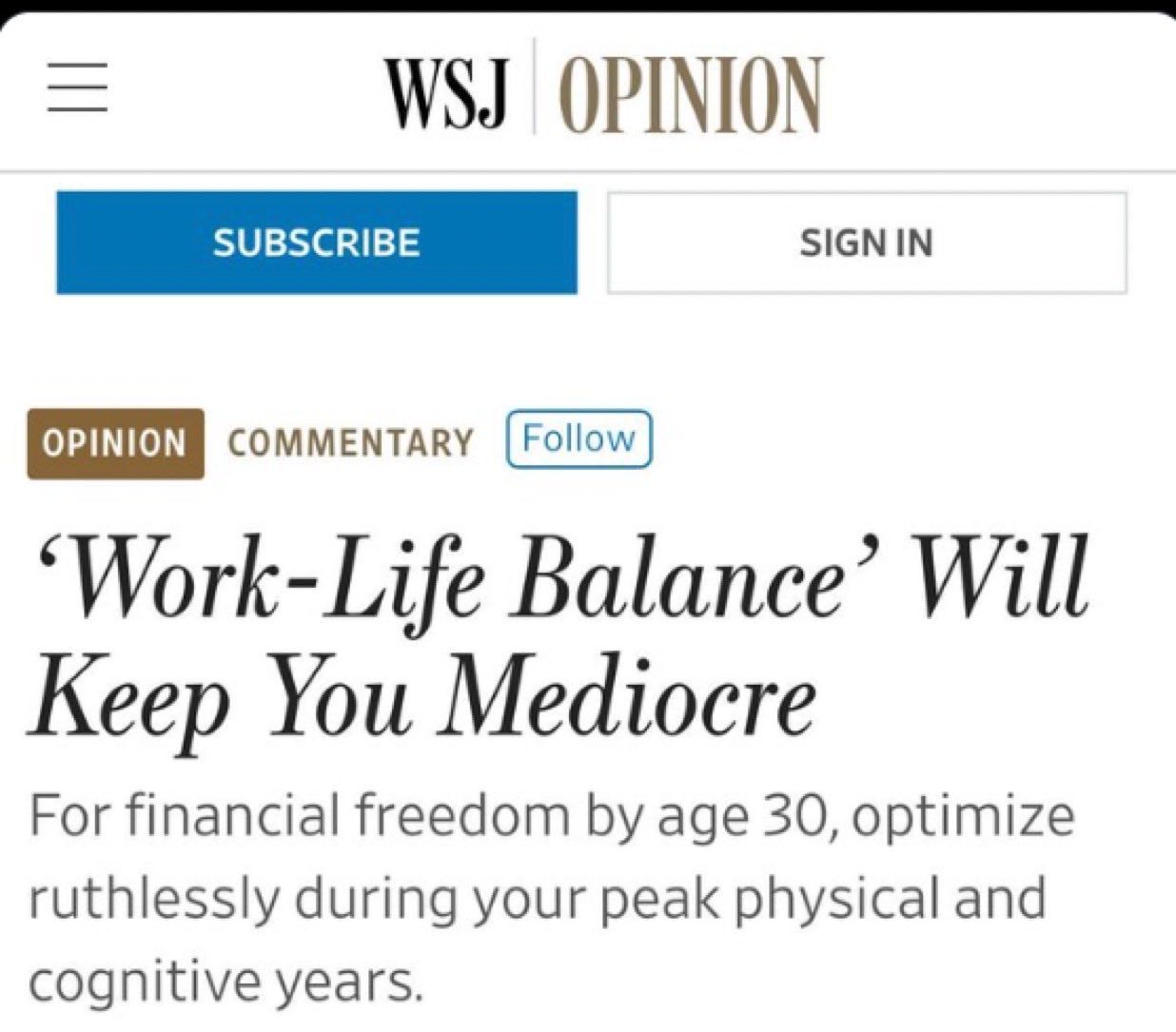
The notion of what constitutes success is often narrowly defined, particularly in professional circles. Suzanne Lucas, in a recent reflection, challenges the prevailing narrative that equates career and financial achievements with ultimate success, while dismissing anything less as ‘mediocrity’. This perspective, often fueled by headlines urging extreme dedication to work above all else, prompts a deeper examination of what truly defines a successful life and career.
While it’s undeniable that intense focus and hard work can correlate with financial gains, Lucas points out a crucial reality: the number of top-tier positions, like CEO roles in the Fortune 100, is finite. Furthermore, corporate loyalty is often conditional, with businesses prioritizing financial interests, potentially leading to layoffs regardless of an individual’s performance. This transactional nature of the corporate world raises questions about whether sacrificing personal relationships for professional advancement is a justifiable path to true success.
Is Financial Success the Only Metric?
Lucas argues against a purely financial definition of success. The idea that wealth automatically equates to success, and its absence to mediocrity or failure, is a limited view. She posits that truly outstanding individuals exist across all financial strata. Success, in this broader sense, encompasses more than just monetary value; it includes the richness of personal relationships and overall well-being.
The Value of Relationships and Personal Fulfillment
The post highlights that friends and family are significant indicators of a successful life. These connections provide emotional support, a sense of belonging, and a well-rounded existence that financial wealth alone cannot replicate. Neglecting these vital aspects in the pursuit of professional accolades might lead to a hollow victory.
Acknowledging the Data, Broadening the Definition
Lucas acknowledges the statistical correlation between hard work and financial reward. The data suggesting that greater effort often leads to higher earnings is valid. For those whose primary goal is financial prosperity, pursuing this path with dedication is a personal choice. However, she strongly cautions against using this correlation to label those with different priorities or outcomes as ‘mediocre’.
Ultimately, the piece encourages a more holistic view of success. It advocates for recognizing diverse paths and achievements, valuing personal fulfillment and relationships alongside professional accomplishments. True success, it suggests, is a multifaceted concept that should not be confined to a single, often externally imposed, metric.
📝 About This Content
This article is based on insights shared by Suzanne Lucas on LinkedIn.
📅 Originally posted on October 22, 2025 | View original post on LinkedIn →