

Howard Schultz’s business leadership, often studied like a masterclass, is founded on prioritizing a people-centric culture, maintaining uncompromising product quality, and creating an experiential brand. His success with Starbucks demonstrates that building a values-driven company, where employees are treated as ‘partners,’ is a powerful catalyst for sustainable global growth and profound customer loyalty.
In a world of fast technology and changing markets, strong leadership matters more than ever. Few people show this better than Howard Schultz, the visionary behind Starbucks. His career offers a powerful masterclass in business leadership. He used conviction, empathy, and a commitment to quality to grow Starbucks from a few stores into a global icon. For leaders navigating today’s challenges, his journey provides a valuable roadmap for success.
This analysis on EnterpriseZone.cc dives into the Howard Schultz masterclass, exploring the key strategies behind his success. We go beyond his history to give you clear takeaways. You will learn how his core principles—from creating great employee benefits to designing unique customer experiences—are still powerful tools for today’s leaders. Our goal is to provide insights that help you scale your career, grow your business, and build a company that lasts.
Join us as we explore the key qualities that defined Schultz’s approach. We will uncover a practical framework for leadership excellence, starting with what makes his masterclass in business so unique.
What Defines the Howard Schultz Masterclass on Business Leadership?

From Brooklyn Roots to a Global Coffee Empire
The story of Howard Schultz offers important lessons about vision and persistence. He grew up in Brooklyn’s housing projects and later led a global coffee empire. His early life taught him that people have a deep need for connection and community.
Schultz first saw Starbucks in 1981. At the time, it was a small coffee bean shop in Seattle. That moment was key. He saw that coffee could be more than just a product; it could be an experience. This idea turned a local business into a worldwide success [1].
For today’s leaders, Schultz’s story shows the power of:
- Transformative Vision: Find a need that isn’t being met. Or, see hidden potential in an existing market.
- Resilience in Leadership: Overcome major doubts and money problems to reach a big goal.
- Scaling with Purpose: Grow a business but hold on to its core values and mission, even in new cultures.
His story shows that true business leadership often starts with a natural feel for people and culture. This understanding then drives smart growth.
The Core Philosophy: Building a Business ‘One Cup, One Person at a Time’
The core of the Howard Schultz masterclass on business leadership is an idea based on human connection. Schultz always said that Starbucks was not just selling coffee. It was offering an experience, building community, and creating relationships “one cup, one person at a time” [2].
This main idea changed the world of retail. It turned customer service from a simple sale into a personal moment. This also gave the company a unique edge.
Schultz’s method offers several key lessons for leaders today:
- Prioritizing Human Connection: In our digital world, real human connection stands out. It boosts customer loyalty and employee interest.
- Crafting Experiential Value: Go beyond the product itself. Create experiences that people remember and connect with. This builds a stronger brand identity and makes people willing to pay more.
- Scalable Personalization: Show that even a huge company can feel small and personal. This needs great training and a culture focused on its mission.
In the end, Schultz’s lesson is this: to grow successfully in 2025 and beyond, you must be deeply committed to each person. Both customers and employees need to feel truly valued.
What Are Schultz’s 5 Foundational Leadership Principles?

Principle 1: Invest in Your People First (The ‘Partners’ Not ‘Employees’ Model)
Howard Schultz changed how companies treat their staff. He saw them as “partners,” not just workers. This idea built a strong base for Starbucks’ worldwide success.
Investing in people builds loyalty. It also leads to great service. Schultz knew that happy partners give customers a better experience. This is a core part of his leadership teaching.
- Comprehensive Benefits: Starbucks offered new kinds of benefits. These included health insurance and stock options for part-time employees [source: https://stories.starbucks.com/stories/2016/history-of-starbucks-partner-benefits/]. This was a new idea in the retail and service industries.
- Educational Opportunities: The Starbucks College Achievement Plan gives partners money for tuition. It allows them to earn a bachelor’s degree online [source: https://www.forbes.com/sites/forbeshumanresourcescouncil/2023/10/02/the-starbucks-college-achievement-plan-how-the-company-is-investing-in-its-partners/]. This program attracts driven people.
- Empowerment and Growth: Schultz believed in promoting from within. He created a culture where people were always learning. This allowed partners to grow their careers inside the company.
Actionable Insight for 2025: Executives should rethink how they manage their people. Focus on employee well-being and growth opportunities. This lowers turnover and boosts output. A culture focused on partners also greatly improves the brand’s reputation.
Principle 2: Maintain Uncompromising Product Quality as Your North Star
Schultz always stressed the need for great products. He demanded the best for every cup of coffee. This focus on quality became what Starbucks was known for.
Top quality builds trust. It also explains a higher price. For Schultz, the main product was everything. It was the guiding “North Star” for the whole company.
- Premium Sourcing: Starbucks created strict rules for sourcing beans. They bought high-quality Arabica beans from around the world. This made sure the coffee always had a great taste.
- Expert Roasting and Brewing: The company spent a lot on its roasting plants. It also created exact rules for brewing. Barista training focused on making every drink perfectly.
- Consistency Across Locations: Schultz made sure quality control was the top priority. Customers expected the same great experience at every store. This consistency built strong brand loyalty.
Actionable Insight for 2025: Leaders should set must-have quality standards for their main product or service. Use strict quality control. Investing in the best materials and skilled work creates a competitive advantage. This focus builds customer trust and a strong place in the market.
Principle 3: Create an Experiential Brand (The ‘Third Place’ Concept)
Schultz saw Starbucks as more than a coffee seller. He wanted to create a “third place.” This was a welcoming space between home and work.
This focus on experience changed the coffee business. It built strong emotional ties with customers. It made Starbucks a place to go, not just a quick stop.
- Atmospheric Design: Stores were designed to be comfortable and inviting. Good lighting, music, and seating were key. This created a nice, consistent atmosphere.
- Community Hub: Starbucks became a place for people to connect. It had free Wi-Fi and plenty of seating. People would meet, work, and relax in this special space.
- Sensory Engagement: The smell of fresh coffee was a key part of the experience. The music was chosen to set the mood. All these senses working together strengthened the brand.
Actionable Insight for 2025: Businesses need to go beyond simple sales. Focus on creating a complete customer experience. Think about all interactions, from websites to physical stores. A unique “vibe” or community builds very strong loyalty and gets customers to promote your brand. This approach connects well with today’s buyers.
Principle 4: Marry Profitability with a Social Conscience
Schultz always said that business success and social responsibility can go together. He showed that ethical practices can drive profits. This focus on purpose shaped the Starbucks brand.
A strong social mission draws in good people. It also connects with today’s customers. Schultz proved that doing good is also good for business.
- Ethical Sourcing (CAFE Practices): Starbucks created detailed ethical sourcing rules. These rules cover care for the environment and for people on coffee farms [source: https://www.conservation.org/projects/coffee-and-farmer-equity-practices]. This focus made customers feel good.
- Community Engagement: The company gave back to local communities. It supported education and other local projects. These actions built a good reputation and made the brand stronger.
- Environmental Stewardship: Schultz supported efforts to protect the environment. These included programs for reusable cups and proper waste handling. Being green became a key part of the brand.
Actionable Insight for 2025: Build environmental, social, and governance (ESG) ideas into your main strategy. Customers and investors want to see ethical business practices. Combining profit and purpose boosts brand value. It also drives long-term, steady growth. Plus, it helps attract and keep workers who want to make a difference.
Principle 5: Embrace Bold Reinvention and Leadership Accountability
Schultz often showed great courage and took responsibility. He made tough calls for the company’s future. This included returning as a leader during hard times.
Big changes require firm action. They also need open and honest leaders. Schultz’s leadership in tough times is a great example of this.
- The 2008 Turnaround: Schultz came back as CEO during a very bad time. He made big changes, like closing all U.S. stores for a short time to retrain baristas [source: https://www.businessinsider.com/starbucks-coffee-masterclass-turnaround-howard-schultz-2018-4]. This bold move brought the brand back to life.
- Prioritizing Core Values: During big changes, Schultz always went back to Starbucks’ core values. He refocused on product quality and the connection with partners. This made sure the company stayed true to itself.
- Leading by Example: Schultz took personal responsibility for the company’s problems. He was willing to make tough but needed decisions, which inspired trust. He also set a clear example for his leadership team.
Actionable Insight for 2025: Leaders must build a culture of always improving. Be ready to challenge the way things are done and take smart risks. Take full responsibility for results, good or bad. This type of leadership builds strength. It also helps your company stay relevant and grow in a fast-changing world.
How Can Executives Apply Schultz’s Strategies for Future Growth?
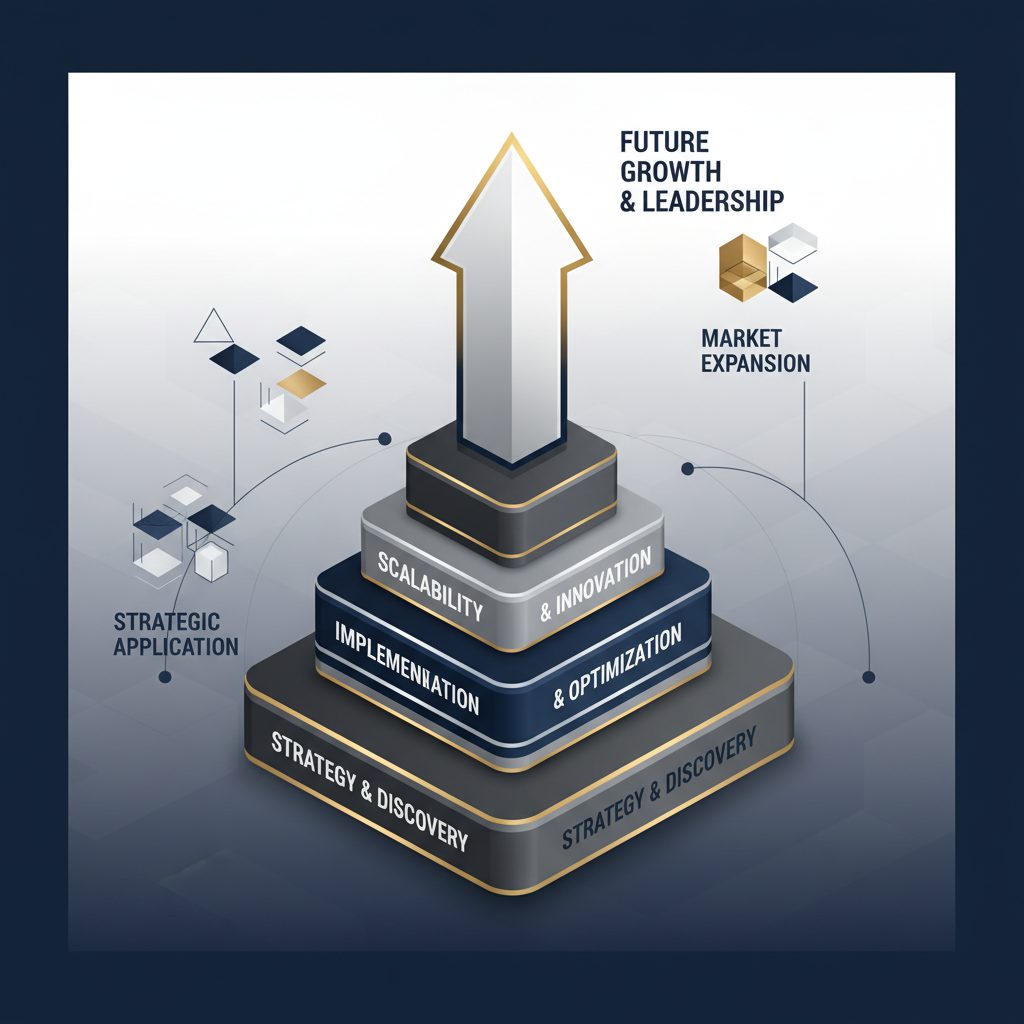
Building a Mission-Driven Culture That Attracts Top Talent
Howard Schultz treated his employees like “partners,” not just staff. This idea is a great model for leaders in 2025’s competitive job market. Today’s workers, especially younger ones, want more than a salary. They want their work to have purpose and to align with company values.
Top leaders know that a strong mission attracts the best people. It creates a place where employees are dedicated and creative. By mixing Schultz’s people-first style with modern hiring methods, leaders can build strong teams that last.
- Share a Clear Purpose: Define why your company exists beyond making money. Explain your impact on the world. This matters to skilled people who want meaningful work [3].
- Weave Your Mission into Everything: Put your core values into your hiring, training, and review processes. Make sure every new employee knows how their job helps achieve the company’s mission.
- Invest in Your People’s Growth and Well-being: Follow Schultz’s lead and offer benefits that truly help your team. Go beyond standard health plans. Think about wellness programs, clear career paths, and the flexible schedules people want in 2025.
- Create a Sense of Belonging: Build a welcoming workplace where every “partner” feels valued and heard. Encourage open communication and give employees the power to share ideas, which builds ownership and engagement.
- Lead with Honesty and Openness: Leaders must live the company’s mission. Their actions should always match the company’s values. This builds trust and strengthens the culture.
Scaling an Authentic Customer Experience Globally
Schultz created the idea of a “third place”—a reliable, welcoming space that wasn’t home or work. For global companies in 2025, it’s hard to create that same feeling in different countries. The solution is to blend consistent quality with local appeal.
Top leaders know that growing a brand isn’t about making everything identical. It’s about finding the heart of your brand and letting local teams adapt it. They must do this without sacrificing quality. This approach helps the brand grow worldwide while keeping the personal feel that builds customer loyalty.
- Set Your Core Experience: Decide what parts of your customer experience must be the same everywhere. For Starbucks, this was high-quality coffee and a friendly environment.
- Allow for Local Changes: Give local teams guidelines, not strict rules. Let them adjust products, service styles, and marketing to fit local culture and tastes.
- Use Data to Personalize: Use data and AI to learn what customers in different regions want. This lets you offer personalized suggestions and experiences, which is key to standing out in 2025 [4].
- Standardize Key Operations: Create solid training programs and guides to keep service and quality consistent around the world. Technology can help with this while still allowing for local differences.
- Create a Global Feedback System: Set up a way to get constant customer feedback from all markets. Use that feedback quickly to improve the customer experience everywhere. This shows you are listening and committed.
Leveraging Storytelling to Solidify Brand Loyalty and Market Position
Howard Schultz knew the power of a good story. His own story—from his childhood in Brooklyn to building a global company—created an emotional bond between Starbucks and its customers. In 2025, storytelling is still one of the best ways to build strong brand loyalty and stand out in the market.
Today’s best leaders know a good brand story is more than just marketing. It connects with people’s emotions, shares company values, and helps customers feel a part of the brand. By telling these stories, leaders can build a powerful connection with customers that goes beyond just the products they sell.
- Find Your Authentic Story: Figure out your company’s origin, challenges, successes, and core values. This real story is the foundation for connecting with customers emotionally.
- Tell Stories with Purpose: Show how your business helps society, follows ethical rules, or creates a better future. People want to support brands that share their values [5].
- Tell Your Story Everywhere: Share your story on all your channels, from social media and your website to company messages and live events. Every interaction should support your main brand story.
- Encourage Employees to Be Advocates: Ask your “partners” to share their own stories about working at the company. Real stories from employees are very believable and make your brand feel more human.
- Connect with Customer Goals: Tell your brand’s story in a way that relates to your customers’ dreams and goals. Show them how your brand can be a part of their life story.
What Are Howard Schultz’s Most Defining Accomplishments?
Transforming Starbucks into a Global Powerhouse
Howard Schultz made his biggest mark by turning Starbucks from a small coffee bean seller into a global coffee empire. His journey shows strong leadership and a commitment to getting things done.
Schultz joined in 1982 and bought the company in 1987. He saw Starbucks as more than a coffee shop. He wanted to create a “third place”—a friendly spot for people to gather between home and work. This idea changed the coffee experience around the world. His smart planning led to incredible growth.
Key achievements in this transformation include:
- Explosive Growth: Under Schultz, Starbucks grew from a few stores to over 28,000 in 77 countries by 2018 [source: https://stories.starbucks.com/press/2018/howard-schultz-to-step-down-as-executive-chairman-retire-from-starbucks/]. This gave the company a huge global presence in the coffee industry.
- Market Cap Escalation: The company’s value on the stock market grew enormously. This showed that investors had great confidence in its global plan and brought huge value to shareholders.
- Iconic Brand Building: Schultz made Starbucks a famous global brand. Its green mermaid logo is now known everywhere. This success shows how important a clear brand message and a good customer experience are.
- Innovating the Customer Experience: He focused on creating a great in-store experience. This included high-quality coffee, a welcoming atmosphere, and friendly service. This focus on the customer is a great lesson for retail businesses today.
This huge expansion offers important lessons for leaders today. It shows that a strong vision, combined with high standards, can make a company a leader in its field. Leaders need to keep improving their products and look for chances to grow worldwide.
Pioneering Employee Benefits and Corporate Responsibility
Schultz changed the idea of corporate responsibility. He saw it as a key part of the business, not just an extra. His belief in treating staff as “partners, not employees” led to excellent benefits. This set a new standard for how companies treat their people.
His commitment to people showed that a company’s success is tied to the well-being of its workers. This modern approach is now a model for today’s ESG (Environmental, Social, and Governance) strategies.
Defining accomplishments in this area include:
- Universal Healthcare Benefits: In 1988, Starbucks started offering full health insurance to all employees, including part-time staff [source: https://archive.nytimes.com/www.nytimes.com/books/first/s/schultz-pour.html]. This was a major change, as such benefits were uncommon at the time. It showed the company was serious about investing in its people.
- “Bean Stock” Program: Starbucks created the “Bean Stock” program, which gave stock options to all employees. This made staff feel like owners and connected their success to the company’s performance. It helped people share in the company’s financial growth.
- Ethical Sourcing (C.A.F.E. Practices): Schultz pushed for C.A.F.E. (Coffee and Farmer Equity) Practices. These rules make sure coffee is sourced fairly and grown in an eco-friendly way [source: https://www.conservation.org/projects/coffee-and-farmer-equity-cafe-practices]. This focus on sustainability helped protect the coffee supply and improved the brand’s image.
- Tuition Reimbursement Programs: Starbucks started programs like the Starbucks College Achievement Plan. It helped pay for eligible employees to earn a college degree online [source: https://stories.starbucks.com/stories/2021/starbucks-college-achievement-plan-marks-new-milestone/]. Programs like this help attract and keep good employees.
These actions proved that taking care of people and using ethical practices can lead to profits and a strong sense of purpose. Today’s leaders should know that social responsibility is more than just good publicity. It is essential for long-term growth and for hiring employees who care about values.
Executing a Historic Corporate Turnaround in 2008
Howard Schultz returned as CEO in 2008 during a tough time. The economy was weak and Starbucks had its own problems. The company was struggling with falling sales, a weaker brand, and a sinking stock price. His leadership during this crisis is a great example of how to manage a turnaround.
Schultz’s plan to fix the company was direct and bold. He made difficult but needed choices to restore the brand’s reputation and financial health.
Key actions during this historic turnaround included:
- Re-focusing on the Core: Schultz closed all U.S. stores for one afternoon to retrain 135,000 baristas on how to make the perfect espresso [source: https://www.wsj.com/articles/SB120415309712760777]. This surprising step showed a fresh dedication to coffee quality.
- Strategic Store Closures: He made the tough choice to close 600 U.S. stores that weren’t doing well [source: https://money.cnn.com/2008/07/01/news/companies/starbucks_closures.fortune/index.htm]. This action made the business more efficient by getting rid of locations that were losing money.
- Enhancing Digital Engagement: Schultz led major investments in technology. This included adding mobile ordering and payment and updating the loyalty program. These changes made things much easier for customers and kept them coming back.
- Reigniting Innovation: He encouraged new ideas, which led to new products and store designs. This included instant coffee (Via) and more food choices. These new offerings attracted more customers and increased sales.
This turnaround secured Starbucks’ spot as a world leader. It also showed Schultz’s rare skill in handling major problems. The lesson for today’s leaders is clear: Real leadership shows itself in a crisis. It requires a clear plan, brave decisions, and a strong belief in core values to build a lasting company.
Frequently Asked Questions About Howard Schultz
What are Howard Schultz’s key accomplishments?
Howard Schultz’s time at Starbucks shows how to grow a global brand. He turned a small coffee bean seller into a famous worldwide company. His vision changed the retail industry.
- Transforming Starbucks into a Global Powerhouse: Schultz joined Starbucks in 1982. He quickly grew it from a few stores to tens of thousands worldwide [source: https://stories.starbucks.com/press/howard-schultz/]. This made Starbucks the world’s largest coffeehouse chain. He also created the “Third Place” idea. This made stores a comfortable spot for people to gather outside of home and work.
- Pioneering Employee Benefits and Corporate Responsibility: Schultz introduced new benefits for employees. He gave full health insurance to part-time workers. He also offered stock options, called Bean Stock, in 1991 [source: https://www.starbucks.com/responsibility/community-service/bean-stock/]. This approach built a loyal and strong company culture. It set a new standard for how companies should treat their workers.
- Executing a Historic Corporate Turnaround in 2008: Schultz came back as CEO in 2008 when Starbucks was struggling. He launched a major turnaround plan. This included closing stores that were not doing well and retraining staff. He put the focus back on high-quality coffee and a great customer experience. This bold move saved the brand and set it up for long-term growth.
What is Howard Schultz’s net worth?
As of late 2024, Howard Schultz’s net worth is estimated to be about $4 billion [source: https://www.forbes.com/profile/howard-schultz/]. Most of this wealth comes from his long-term ownership of Starbucks stock. It shows the success of his leadership and large ownership stake. His other businesses and investments also add to his net worth. This amount shows how much value his ideas created. It also proves that strong leadership can lead to lasting business success.
What is the main takeaway from Howard Schultz’s business leadership style?
The main lesson from Howard Schultz’s leadership style is that he combined big goals with a deep focus on people. He cared about more than just making money. He wanted to build a strong community for everyone involved.
- People-First Philosophy: Schultz always supported his employees, whom he called “partners.” He invested in their happiness and career growth. This led to a motivated team that provided excellent customer service. This approach gave the company a major advantage.
- Experiential Brand Building: He knew coffee was more than just a product; it was an experience. He carefully created the “Third Place” feeling in his stores. This built strong loyalty among customers. Creating real and memorable experiences will be key for businesses in 2025.
- Purpose-Driven Profitability: Schultz proved that a company can care about society and still make a lot of money. His focus on ethical sourcing and helping communities was very popular. This helped build a brand that people felt good about. Leaders should build purpose into their business plans.
- Bold Reinvention: Even when Starbucks was successful, Schultz was not afraid to make big changes. His 2008 turnaround is a perfect example. He showed the importance of adapting and taking responsibility. To succeed, leaders must be willing to change and innovate.
In short, Schultz’s leadership shows that real success comes from caring for people, creating great experiences, and having a clear purpose. This is a model any leader can use to build a strong and lasting company by 2026.
Sources
- https://stories.starbucks.com/press/2022/starbucks-history/
- https://about.starbucks.com/news/perspectives/howard-schultz-legacy/
- https://hbr.org/2021/04/the-roi-of-purpose
- https://www.mckinsey.com/capabilities/growth-marketing-and-sales/our-insights/the-value-of-getting-personalization-right-or-wrong
- https://www.accenture.com/us-en/insights/consumer/covid-19-new-consumer