
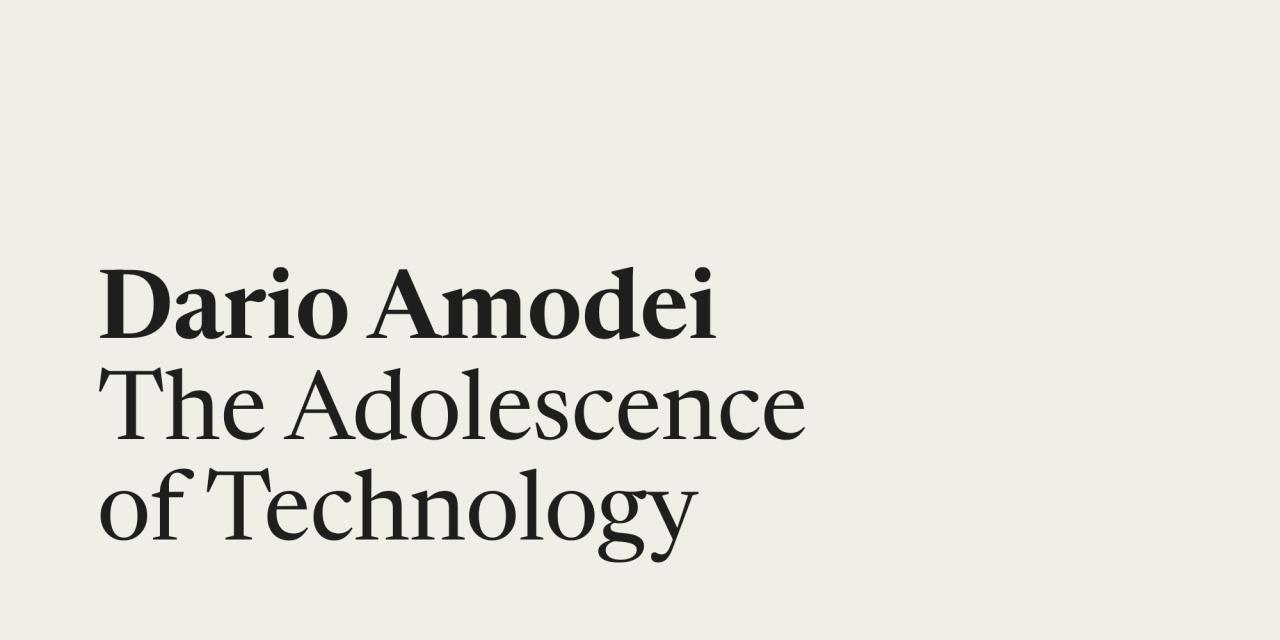
In a recent LinkedIn post, business transformation expert Jason Averbook shares a critical perspective on the adoption of Artificial Intelligence (AI), drawing on insights from an essay by Dario Amodei of Anthropic. Averbook emphasizes that AI is not a magical solution but a powerful amplifier that will expose an organization’s existing capabilities and shortcomings.
Averbook highlights a key quote from Amodei’s work that resonated with him:
“Powerful tools don’t make you more capable. They make your capability matter more.”
This analogy, Averbook explains, is akin to a surgeon using a sharper scalpel. The tool itself doesn’t improve the surgeon’s skill; rather, it increases the precision required and magnifies the impact of their existing expertise. He applies this to the business world, stating:
“AI is the sharpest scalpel you’ve ever held, and it will expose exactly how skilled you actually are. Good judgment becomes great outcomes. Poor judgment becomes expensive disasters. Fast.”
AI as an Amplifier, Not a Skill Enhancer
Averbook argues that many leaders misunderstand the fundamental nature of AI’s impact. Instead of viewing it as a tool to acquire new capabilities, he posits that AI’s primary function is to leverage existing ones. This means that organizations with strong judgment and well-honed processes will see those strengths amplified, leading to significantly better outcomes. Conversely, as Averbook points out, flaws and inefficiencies that have been tolerated will also be magnified, leading to rapid and potentially costly failures.
The Misguided Focus on Cost-Cutting
The article delves into the common misconception of treating AI solely as a cost-cutting measure. Averbook contends that this approach misses the broader strategic advantage that AI offers.
Leverage Over Efficiency
According to Averbook, the true benefit of AI lies in the concept of leverage. He elaborates on this by stating:
“The leaders treating AI as a cost-cutting tool are missing the point entirely. You’re not getting efficiency, you’re getting leverage. And leverage amplifies everything, including the dysfunction you’ve been tolerating for years.”
This perspective suggests that organizations focused only on trimming costs with AI might overlook its potential to scale their operations, enhance decision-making, and drive innovation. Instead of simply doing things cheaper, AI offers the possibility of achieving far greater results with existing resources, but only if those resources are effectively managed and directed.
Readiness for AI: An Internal Question
Ultimately, Averbook challenges organizations to shift their focus from external readiness for AI to an internal assessment of their own operational health. He frames the core question not as whether a company is prepared to adopt AI, but rather whether AI’s implementation will reveal pre-existing issues.
The Revealing Nature of AI
Averbook concludes his post with a provocative thought:
“The question isn’t whether your organization is ready for AI. It’s whether AI is about to reveal what was never working in the first place.”
This suggests that a successful AI integration requires a foundation of solid business practices and clear strategic objectives. Without these, the introduction of powerful AI tools may do more harm than good, by accelerating the exposure of underlying problems.
📝 About This Content
This article is based on insights shared by Jason Averbook on LinkedIn.
📅 Originally posted on January 26, 2026 | View original post on LinkedIn →