
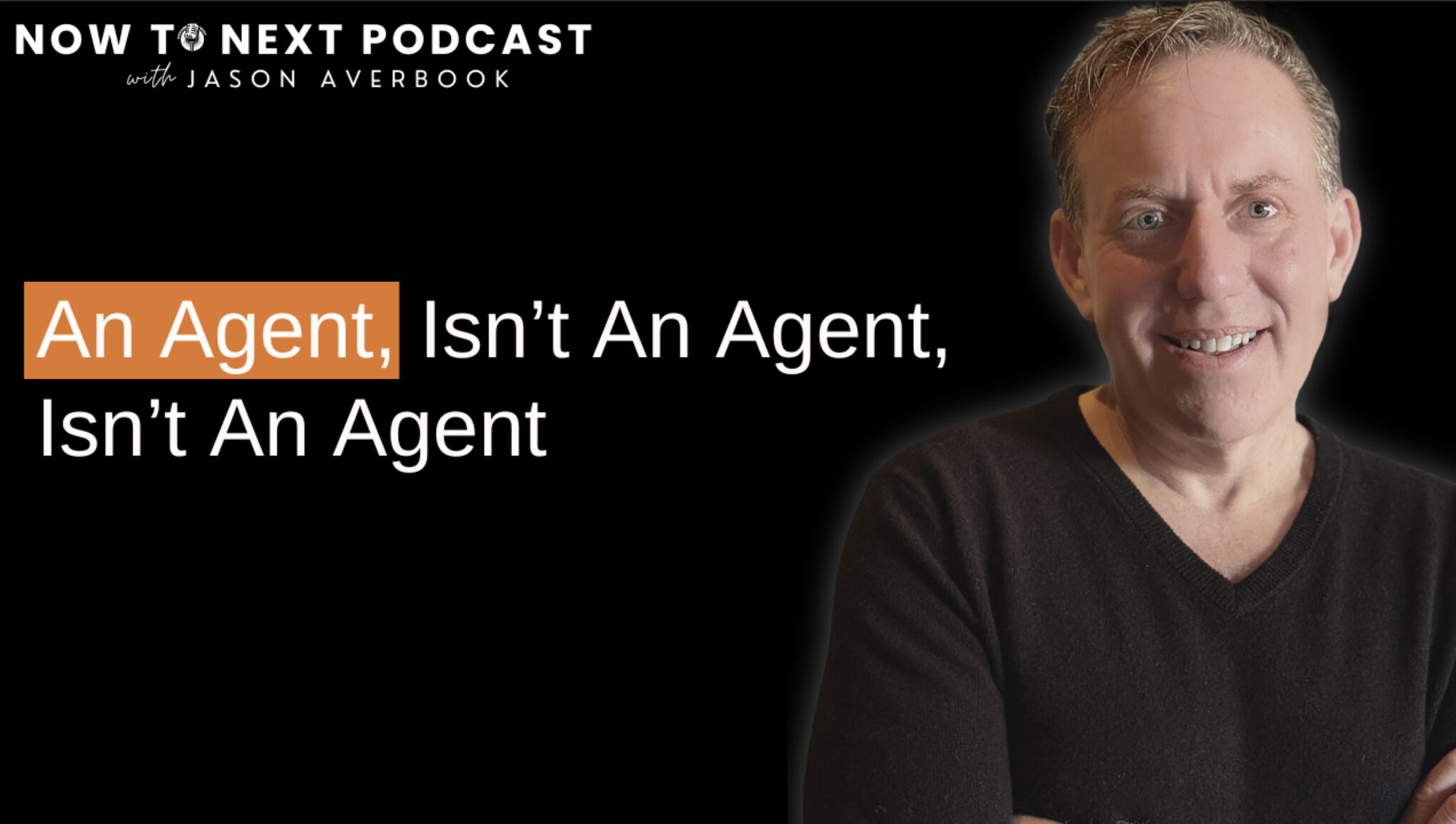
In a recent LinkedIn post, Jason Averbook discusses the critical, yet often blurred, distinctions between Artificial Intelligence workflows, copilots, and agents, urging business leaders to look beyond vendor marketing. Averbook highlights the confusion stemming from vendors using these terms interchangeably to describe their products, which can lead to costly misunderstandings for organizations.
Averbook emphasizes the need for clarity in the rapidly evolving AI landscape, stating:
“Almost every vendor is using all three words to describe the same product, the same demo, often the same press release. And if you can’t tell them apart, a convincing demo is going to cost you a lot more than just time.”
He introduced these points in a recent podcast, aiming to provide a jargon-free understanding of AI tools. According to Averbook, the goal is to equip professionals with the knowledge to navigate AI vendor conversations effectively.
Understanding the AI Spectrum
Averbook proposes a spectrum to help differentiate AI tools, moving from basic features to genuine autonomy. He points out that many tools currently marketed as advanced AI agents are, in reality, simpler workflows augmented with a language model. This distinction, he argues, is crucial for understanding the implications for data security, workforce impact, and overall business outcomes.
As Jason Averbook notes, the current state of many deployed AI agents is:
“why most agents being deployed today are just old workflows with a language model bolted on the front, and why that distinction matters for your data, your people, and your outcomes.”
This differentiation is vital for businesses to avoid misinterpreting capabilities and making ill-informed purchasing decisions. Averbook’s analysis suggests that a superficial understanding can lead to the adoption of tools that do not deliver on their promised potential.
Navigating Vendor Conversations
To combat the pervasive marketing jargon, Averbook shared practical advice for engaging with AI vendors. He outlines five specific questions designed to cut through the noise and reveal the true nature of the AI solutions being offered.
This guidance is particularly timely given the widespread adoption of AI tools within organizations. Averbook highlights the concerning trend of increasing AI agent deployment without adequate oversight:
“The average organization is already managing 37 AI agents. Most of them have no governance, no accountability, and no shared definition of what they even are.”
In Averbook’s view, while his podcast may not solve all governance issues, it aims to empower leaders by ensuring they ask the right questions during vendor evaluations. He suggests that a 20-minute investment in understanding these distinctions can yield significant value in making more informed strategic decisions about AI adoption.
📝 About This Content
This article is based on insights shared by Jason Averbook on LinkedIn.
📅 Originally posted on April 15, 2026 | View original post on LinkedIn →