
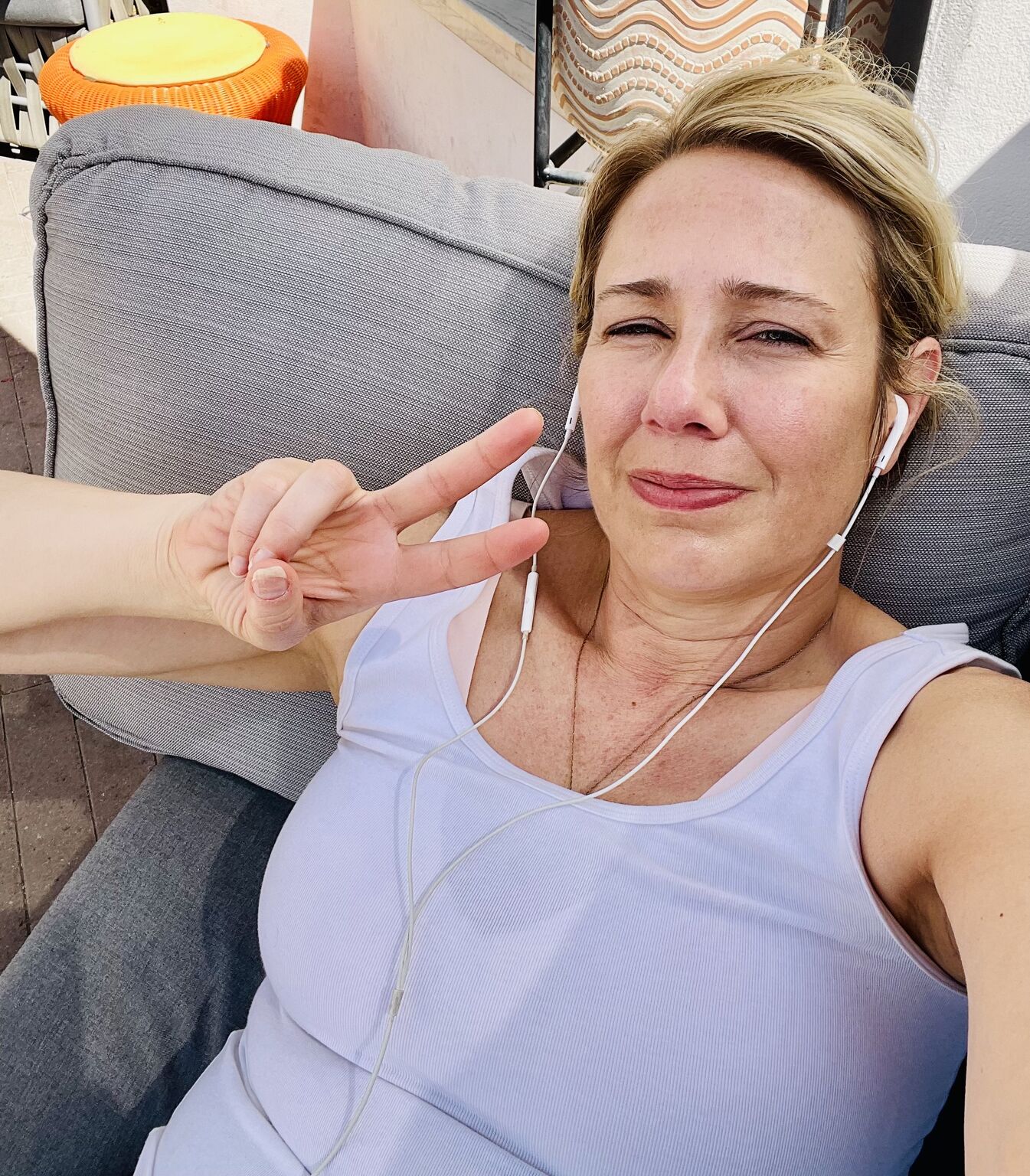
In a recent LinkedIn post, Leslie Venetz shares a personal reflection on aging and the societal pressures to appear youthful, advocating for a more authentic embrace of life’s experiences. Venetz challenges the notion that visible signs of aging are something to be hidden, instead framing them as badges of a life well-lived.
Venetz begins by acknowledging the subjective nature of feeling one’s age, stating:
It is a privilege to grow old. Am I old? I don’t know – some days I feel 26, some days I feel 86… Either way, I’m grateful for my body that carries me through this life and for all of the experiences that have made me the human I am today. So I, respectfully, won’t stop showing my age.
This sentiment sets the stage for Venetz’s exploration of specific “age tells” that they refuse to relinquish, reframing them not as indicators of being outdated, but as expressions of personal history and joy.
Celebrating Late-Life Accomplishments
One of the key points Venetz highlights is the admiration for women who achieved significant success later in life. This serves as a counter-narrative to the often youth-centric focus in many industries and cultural spheres.
Role Models for Later Success
As Venetz points out, individuals like Agatha Christie and Angela Lansbury exemplify the potential for remarkable achievements well into one’s senior years. Christie, Venetz notes, reached notable career heights in her 60s and 70s, while Lansbury took on the iconic role of Jessica Fletcher at 58. Venetz expresses a personal affinity for these narratives, stating, “I don’t need to be out every night tearing up the town, instead I’ll be reading Agatha Christie and then watching Murder, She Wrote.” This preference, Venetz emphasizes, is not an exaggeration but a genuine reflection of their contentment.
The Significance of Smile Lines
Another “age tell” that Venetz embraces is their smile lines. While acknowledging the pervasive influence of polished, often digitally altered, appearances on social media and television, Venetz finds personal value in these lines.
My smile lines just show that I have lived a joyful life. I’m OK with that.
Venetz humorously adds a caveat, noting that while they may not opt for Botox, their visits to the medspa are still frequent, suggesting a nuanced approach to self-care that doesn’t require erasing all signs of lived experience.
The Enduring Appeal of Memes and GIFs
Finally, Venetz defends the use of memes and GIFs as a form of communication, a practice sometimes associated with younger generations but one that Venetz clearly enjoys and finds effective. The post playfully concludes with an open invitation:
and if you’d like to start sending me funny memes and GIFS please know my inbox is ALWAYS open for that.
Through these reflections, Leslie Venetz encourages a broader perspective on aging, urging a celebration of the experiences, joys, and achievements that shape individuals over time, rather than a relentless pursuit of erasing the physical manifestations of a life fully lived.
📝 About This Content
This article is based on insights shared by Leslie Venetz on LinkedIn.
📅 Originally posted on February 8, 2026 | View original post on LinkedIn →