
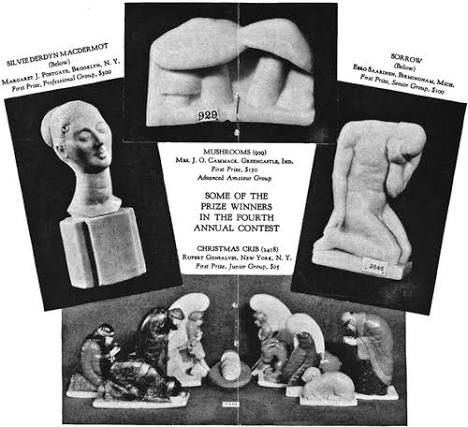
In a recent LinkedIn post, Justin Oberman explores a foundational public relations strategy from the 1920s, highlighting its enduring relevance for modern marketers. Oberman revisits a campaign orchestrated by Edward Bernays for Procter & Gamble’s Ivory Soap, demonstrating how the “father of P.R.” shifted focus from product features to consumer desire.
Oberman sets the historical context, explaining the challenge faced by Procter & Gamble in 1924. Amidst the economic downturn following the Great Depression, traditional advertising methods were proving ineffective. It was then that Bernays was brought in to devise a new approach.
“Instead of running ads Bernays sent free bars of soap to schools across the country and invited kids to carve them into animals, people, cars, anything they wanted.”
This innovative strategy, as detailed by Oberman, bypassed direct product promotion. Instead, it transformed the soap into a creative medium for children. Bernays didn’t just distribute the product; he created an entire engagement program around it.
Transforming Product Perception Through Engagement
Justin Oberman emphasizes that Bernays’ genius lay in reframing the consumer’s relationship with the product. The soap itself wasn’t the primary object of desire; rather, it became a tool for self-expression and achievement for children.
The Power of ‘Means to an End’ Marketing
Oberman elaborates on this core principle, pointing out a common pitfall in contemporary marketing. Many struggle to make consumers love their product directly. Bernays’ approach, however, focused on making the product a gateway to something the consumer already valued.
“This is the thing most marketers miss. You don’t always need to make people love your product. You need to make your product a means to something they already love.”
As Justin Oberman notes, this strategy tapped into a deeper psychological truth: desire is often not about the item itself, but about the possibilities it unlocks. The contests organized by Bernays – local, regional, and national – amplified this effect, creating a sense of community, competition, and reward.
Building Lasting Brand Association
The long-term impact of Bernays’ campaign, as highlighted by Oberman, was the deep integration of Ivory Soap into the fabric of American childhood. The contests and creative engagement fostered a lasting emotional connection that transcended the product’s basic function.
“The sculpture program ran for decades. Millions of kids participated. And Ivory Soap became part of American childhood, and thus their adulthood as well.”
According to Justin Oberman, this historical case study offers a powerful lesson: true brand loyalty and market penetration can be achieved not by forcing product love, but by enabling consumers to fulfill their existing desires using the product as a vehicle. Justin Oberman concludes that understanding this fundamental aspect of human motivation is key to developing truly effective and resonant marketing strategies, even in today’s data-driven world.
📝 About This Content
This article is based on insights shared by Justin Oberman on LinkedIn.
📅 Originally posted on March 6, 2026 | View original post on LinkedIn →