
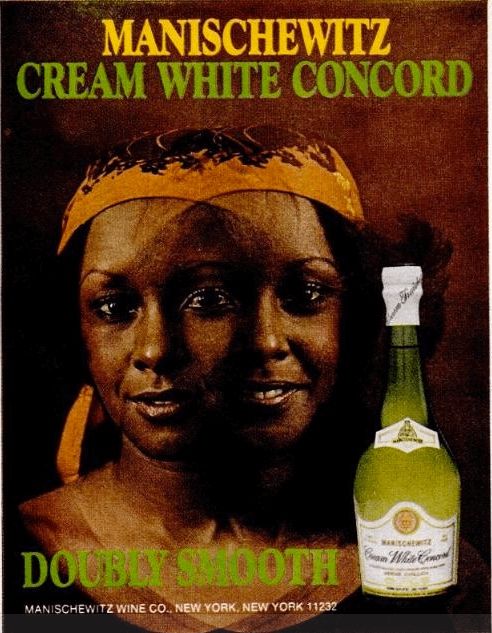
In a recent LinkedIn post, Justin Oberman explores the fascinating historical marketing strategy of Manischewitz wine, detailing how the brand successfully broadened its consumer base by embracing an unexpected demographic without compromising its core identity. Oberman highlights a period where the kosher wine, typically associated with a specific religious and cultural group, became a popular choice among African American consumers.
Oberman begins by setting the scene, noting the surprising demographic data from 1981. He then delves into the historical context, explaining how urban migration patterns in the 1940s led to Black families settling in neighborhoods alongside Jewish communities. This proximity, he suggests, was the initial catalyst for a crossover in consumer habits.
“So how did a sweet Jewish sacramental wine become one of the most popular drinks in Black America?”
According to Justin Oberman, several factors contributed to this phenomenon. One key element was the taste profile of Manischewitz. He points out that many Black families migrating from the rural South had a tradition of making homemade wine from sweet scuppernong grapes. Manischewitz, made from Concord grapes and sweetened, offered a familiar and comforting flavor profile.
The Role of Trust and Tradition
Oberman also emphasizes the role of trust in this burgeoning relationship. He explains that historical racism meant Black consumers often received subpar products from white vendors. However, they learned that kosher butchers, adhering to a higher religious standard, provided better quality meat. This association with a religiously mandated standard of quality likely extended to Manischewitz, where the ‘kosher’ label signaled reliability and good product.
“Black consumers had learned that kosher butchers sold better meat because racist white butchers often gave them tainted product. Kosher butchers answered to a higher authority so if it was kosher, you knew it was good.”
Beyond taste and trust, Oberman identifies a deeper, more spiritual resonance. The wine’s sacred nature, blessed by religious authority and steeped in ancient tradition, connected with the spiritual experiences of its new consumers. In the South, Manischewitz had already gained a reputation as “praise wine,” a term that speaks to its use in spiritual contexts.
Manischewitz’s Strategic Embrace
Crucially, Justin Oberman highlights how the Manischewitz company, rather than shying away from this unexpected market, actively embraced it. Working with the Joseph Jacobs advertising agency, they strategically invested in reaching this audience.
Targeted Advertising and Authentic Representation
Oberman details the significant shift in their advertising strategy, noting that by 1973, 85% of their magazine ad budget was allocated to Ebony magazine. They featured Black musicians like the Ink Spots in print campaigns and famously enlisted Sammy Davis Jr., a prominent Black entertainer who had converted to Judaism, as their television spokesman. The iconic slogan “Man, oh Manischewitz!” became widely recognized, even reportedly heard from space.
“And they did all this without hiding their Jewish identity. The label still had the rabbi. The ads still said kosher. They never once watered down who they were to appeal to their new audience. They just made room at the table.”
As Justin Oberman concludes, this strategy was effective precisely because it was authentic. The brand maintained its Jewish identity and kosher certification while making space for a new community. This approach led to a significant market shift, with 80% of Manischewitz consumers being non-Jewish by the mid-1950s.
Lessons for Modern Brands
Oberman distills a powerful lesson for contemporary businesses: true audience expansion comes not from abandoning one’s identity, but from authentically making room for others. He argues that brands attempting to broaden their appeal by fundamentally changing who they are often miss the mark. The Manischewitz story, as presented by Oberman, serves as a historical case study in successful, inclusive brand growth.
📝 About This Content
This article is based on insights shared by Justin Oberman on LinkedIn.
📅 Originally posted on February 23, 2026 | View original post on LinkedIn →