
In a recent LinkedIn post, Leslie Venetz discusses a critical, often overlooked, reason for sales team underperformance: the system itself, rather than the individual sales representative. Venetz challenges the conventional approach of immediately placing underperforming reps on Performance Improvement Plans (PIPs) or intensifying coaching, arguing that this strategy often misdiagnoses the root cause.
Venetz highlights that the issue may not be a lack of sales skills, but rather the environment in which reps are expected to operate. Citing research from Salesforce and Gartner, Venetz points out the significant amount of time sales representatives spend on non-selling activities.
“Salesforce research shows reps spend less than 30% of their week on actual selling. Gartner puts 50% of rep time on admin alone.”
This data, according to Venetz, illustrates a broader problem: the majority of a sales rep’s day is consumed by tasks like tool switching, data hunting, manual CRM updates, and navigating disconnected systems. This administrative burden, Venetz argues, directly impedes their ability to engage in meaningful selling activities.
The ‘Preparation Trap’ and Its Costs
Leslie Venetz frames this challenge as a “preparation trap,” where reps spend their most productive hours preparing to sell instead of actively selling. This, Venetz contends, has a direct and significant impact on pipeline generation and overall sales performance.
“They are underperforming because the system they are working inside makes it nearly impossible to spend meaningful time selling.”
The cost of this systemic issue, as outlined by Venetz, extends beyond lost selling hours. Organizations invest considerable resources in performance management, coaching, and even recruitment, attempting to fix a problem that may not lie with the individual. Venetz emphasizes that without addressing the underlying system inefficiencies, new hires will likely face the same obstacles.
The Systemic Problem Versus Individual Skill
Venetz’s core argument is that when sales reps lack consolidated access to crucial information—such as buyer signals, account context, and relevant data—they are forced into extensive preparation phases. This preparation, while seemingly necessary, detracts from the core function of selling and building pipeline.
“Every hour spent preparing instead of selling is an hour of pipeline that never gets built.”
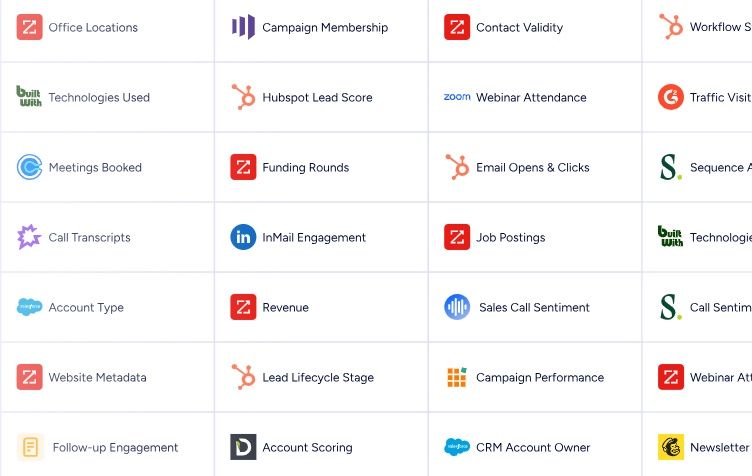
The post suggests that the solution lies in optimizing the sales environment to facilitate more selling time. Venetz points to solutions like ZoomInfo’s GTM Studio as examples of tools designed to bridge this gap by integrating CRM, account intelligence, and buyer signals into a unified platform.
Rethinking Performance Management
Ultimately, Venetz’s insights prompt a re-evaluation of how sales performance is managed. Instead of solely focusing on individual rep coaching, the post advocates for a critical audit of the tools, systems, and processes that shape a rep’s daily workflow. By ensuring reps have the necessary context and data readily available, organizations can empower them to spend more time on revenue-generating activities, thereby improving overall effectiveness.
Venetz concludes by posing a crucial question to sales leaders: “How much time do you think your reps should be spending selling versus preparing to sell?” This invites a broader conversation about optimizing the sales technology stack and workflow to truly support sales productivity.
📝 About This Content
This article is based on insights shared by Leslie Venetz on LinkedIn.
📅 Originally posted on March 16, 2026 | View original post on LinkedIn →