
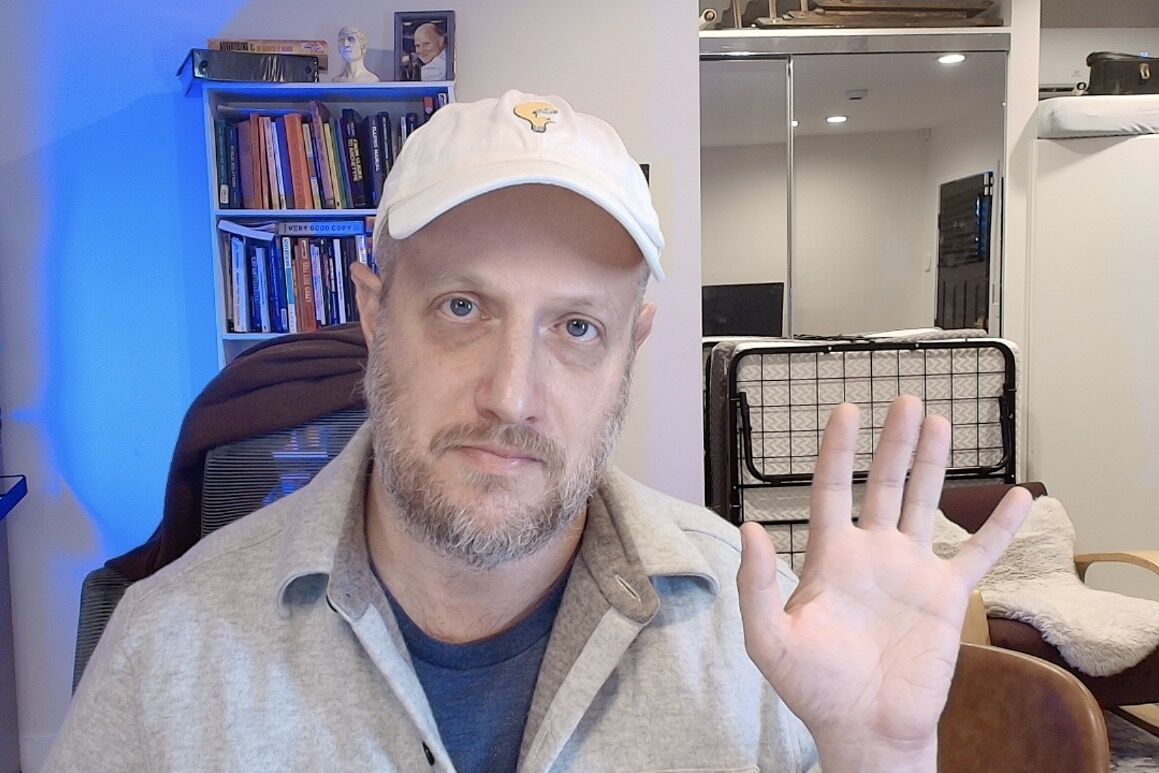
In a recent LinkedIn post, Justin Oberman discusses a significant shift he’s observed in his own content’s reach on the platform, leading him to take an unprecedented week-long break from the site.
Oberman, who has maintained a consistent daily posting schedule for five years, expressed his bewilderment over a sharp decline in impressions for his recent content. He noted that posts with similar quality and even identical wording to previously viral content are now receiving a fraction of the engagement.
“My last 3-4 posts? 300-500 impressions each. No different in quality than the stuff that used to hit thousands. Hell, one was a straight repost of content that went viral a few years before. Same exact words. 300 impressions.”
Algorithm or Personal Performance?
The author openly questions the reasons behind this downturn, exploring various potential factors. Oberman ponders whether the issue lies with the platform’s algorithm, his own writing, his profile’s performance, or the use of engagement pods. As Justin Oberman states, “Is it the algorithm? Is it my writing? Is it my profile? Is it pods? Is it all of the above?” He admits to being exhausted by the effort to pinpoint the cause.
A Shift in Perspective from High-Functioning Clients
A pivotal moment for Oberman came from observing his clients, described as highly successful executives at major companies, who took a complete break from work during the last two weeks of December. This period of disconnection, even while continuing to pay for his services, struck Oberman as a revelation.
“All I do know is that my clients (all very high functioning executives at major companies) took the last two weeks of December off. And I mean completely off. No work emails. No ‘quick calls.’ No checking in. And no posting. And they were completely stress-free about it.”
Oberman reflects that these clients operate on a different level, understanding something he felt he was missing. He points out the ironic contrast: while his own content struggles for visibility, his clients’ content, even on other platforms like Substack, is experiencing exceptional reach.
The Decision to Step Away
Driven by this realization and his own feelings of burnout, Oberman announced his decision to take his first week off LinkedIn in five years. This hiatus, starting immediately and lasting until the following Sunday, involves abstaining from all platform activity, including posting, commenting, and engaging with his network.
“I’ve heard taking a break can reset the algorithm. I don’t know. Maybe it will. Maybe it won’t. Right now, I don’t care about the algorithm. I need to reset myself. I’m burnt out. I’m exhausted. And I’m done pretending I’m not.”
While acknowledging that a break might reset the algorithm, Oberman emphasizes that his primary motivation is personal well-being. He plans to continue publishing on his Substack newsletter during this time but will refrain from promoting it on LinkedIn, citing the platform’s current inability to provide reach.
Oberman concludes by suggesting that his absence might go unnoticed by many on the platform, given his recent content’s low visibility. He anticipates a return with a potentially renewed focus on his newsletter, encouraging followers to subscribe.
📝 About This Content
This article is based on insights shared by Justin Oberman on LinkedIn.
📅 Originally posted on January 18, 2026 | View original post on LinkedIn →