
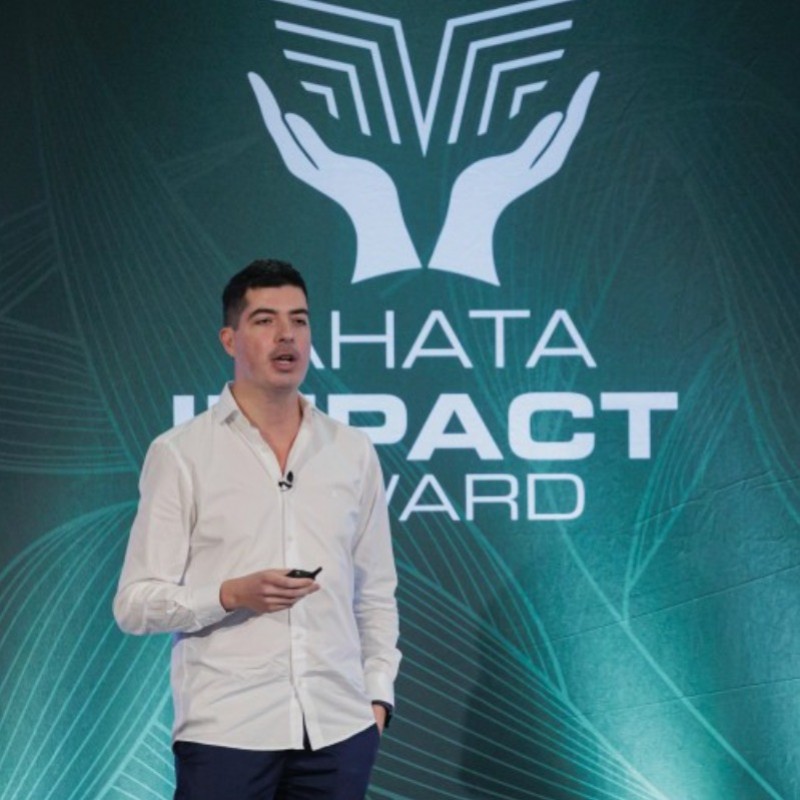
In a recent LinkedIn post, Mario Hernandez shares a contrarian approach to rapid business growth, detailing how his company achieved $4.8 million in Annual Recurring Revenue (ARR) within 17 months, not through traditional audience-building or networking, but by strategically integrating into an existing revenue engine. Hernandez emphasizes that the conventional wisdom about needing a large audience, personal brand, or extensive network is often secondary to a more fundamental strategy: becoming indispensable to those who already command buyer trust.
Rethinking Growth: Beyond Audience and Network
Hernandez challenges the common assumption that significant growth hinges on pre-existing influence. He reveals that his company’s initial success was achieved without a substantial audience, personal brand, large sales team, or a meaningful network. He states directly:
“We had no audience. No personal brand. No large sales team. No meaningful network. And LinkedIn was definitely not part of the strategy.”
The core of his strategy, as outlined in the post, was to learn how to become genuinely useful within another company’s established sales processes. This pivot from self-promotion to value-addition was the key differentiator.
The Playbook for Integration
Hernandez breaks down this strategy into a five-step playbook:
1. Leverage Existing Trust, Don’t Build From Scratch
Instead of focusing on how to reach buyers directly, Hernandez advises identifying entities that already possess buyer trust. This could be a platform, a consultant, an implementation partner, an advisor, or an industry operator. His company found a valuable partner in SAP, leveraging their existing relationships to gain access to potential clients.
As Mario Hernandez notes, the fundamental question should shift from “how to reach more buyers” to:
“Who already has their trust? Your buyer already listens to someone.”
2. Focus on the Person, Not Just the Logo
Hernandez stresses the importance of identifying the right individuals within a partner organization who have a vested interest in bringing in new business. He explains that a partnership announcement alone is insufficient; it’s the individual account leaders who can drive revenue. The focus should be on how your offering helps them solve problems, expand their own customer relationships, or enhance their capabilities.
3. Provide a Recognizable Problem Trigger
To make it easy for partners to champion your solution, Hernandez suggests providing a clear, recognizable problem that resonates with their existing customer base. This trigger helps the partner quickly identify potential opportunities without needing a deep understanding of your entire product or service. For his company, triggers included issues like enterprise mobility, field operations, or workflows outside the office.
4. Simplify the Introduction Process
Hernandez advocates for making the introduction process as frictionless as possible for the partner. Instead of sending a generic deck, he recommends providing specific, actionable information: the right customer profile, the specific problem, its current relevance, and the context for the introduction. He argues:
“The more thinking you require from someone, the less likely they are to act.”
5. Treat the First Project as a Foundation for More
The initial project is not just about immediate revenue; it’s a crucial test of your ability to deliver and solidify the partner’s decision to introduce you. Hernandez highlights the importance of exceptional delivery to build internal credibility and create a flywheel effect of continuous opportunities. This cycle, as he describes it, is:
“Trusted partner → enterprise opportunity → strong delivery → internal credibility → more opportunities”
Ultimately, Mario Hernandez’s insights offer a powerful framework for startups and established businesses alike, demonstrating that strategic alignment and value creation within existing ecosystems can be a more potent growth engine than building an audience from scratch.
📝 About This Content
This article is based on insights shared by Mario Hernandez on LinkedIn.
📅 Originally posted on August 5, 2026 | View original post on LinkedIn →