
| Author | Background |
|---|---|
| Cristina Grancea | Built a £2.4M home care franchise, now helping others do the same. |
| Christine Carrillo | Helps entrepreneurs scale their business, and themselves, with less effort. |
| Martin Wirtschafter | A four-time exit founder who shows leaders how to step back. |
| Florence Divet ☀️ | Coaches CEOs and senior leaders to lead with clarity, confidence and purpose. |
| Surabhi Shenoy | A two-time exit founder who built 7-figure businesses over 20 years. |
Let’s be honest. Most leadership advice feels like it was written for robots.
You’re told to optimize, strategize, and execute. You’re given frameworks and acronyms. But what about the days you feel like an imposter? Or the moments you have to admit you were wrong? Or the constant pressure to just keep going?
That’s the real stuff of leadership. It’s not played out on a spreadsheet; it’s an inside job. We found five founders and CEOs who get it. They argue that who you are is far more important than what you do. Forget the complex strategies for a minute. This is about getting the foundations right.
Christine Carrillo: Your Character Is Your Only Resume
Christine Carrillo cuts straight through the noise about chasing titles and credentials. She argues that respect isn’t earned through a fancy resume, but through integrity. People aren’t checking your LinkedIn profile; they’re watching how you act when things get tough.
Do you share credit? Do you own your mistakes? That’s what builds real, lasting influence. It’s about how you show up, especially when no one is looking. Her point is that the person you are behind the title is what truly commands loyalty and trust.
“Leaders who last don’t lead with titles. They lead with integrity. They don’t build influence through resumes. They build it through character.”
Here’s what that means in practice:
- Focus on ‘how,’ not ‘what.’ Your team remembers how you achieved a result more than the result itself. Treating people with respect, even under pressure, is what builds loyalty.
- Integrity is an active choice. It’s not a passive trait. It’s choosing to tell the truth when a polished story would be easier, or giving credit to a junior team member when you could have taken it yourself.
- Credentials open doors, character keeps you in the room. A great background might get you the job, but only genuine character will make people want to follow you for the long haul.
Read our full coverage of Christine Carrillo’s insights →
Florence Divet ☀️: Stop Fearing Failure, Start Owning It Faster
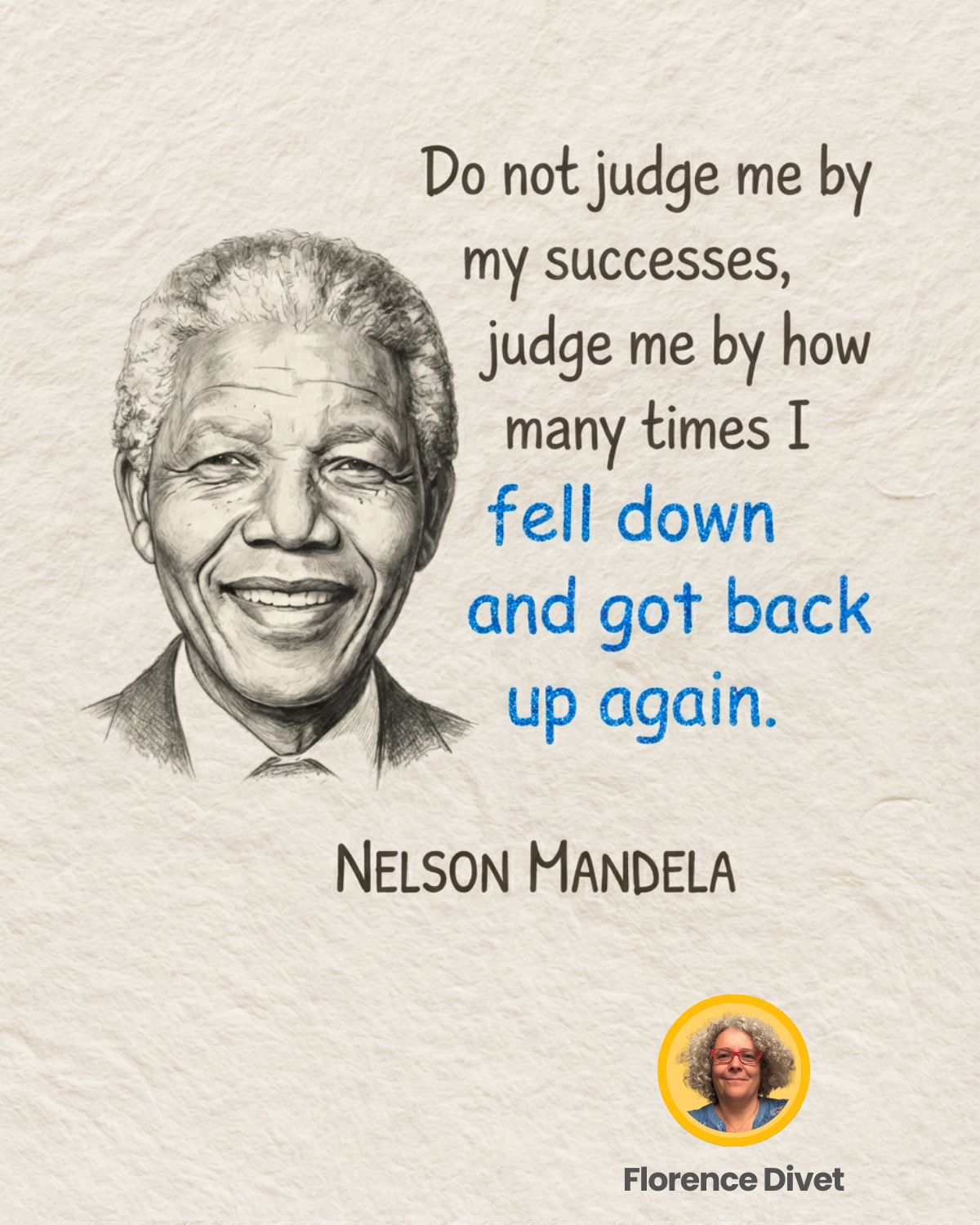
Building on the idea of character, Florence Divet tackles the thing that tests it most: failure. She says the real fear isn’t failing, but being seen failing. When leaders try to protect their image, they start pretending. They over-explain, hide mistakes, and lose their team’s trust in the process.
Her solution is a brutally simple “recovery loop” to own it fast, learn from it, and make the change visible. This isn’t about grand apologies; it’s about quick, honest accountability that turns a potential crisis into a moment of strength.
“Your team can handle mistakes. They cannot handle denial.”
Three takeaways to make this work:
- Recovery speed matters more than perfection. No one expects you to be flawless. But they do expect you to be honest. The faster you can say “I messed up, here’s what I learned,” the faster you rebuild trust.
- Create a simple, repeatable script for failure. Divet’s three-line ritual—What happened, What I learned, What I am changing—removes the emotion and drama. It turns a mistake into a teachable moment for the entire organization.
- Vulnerability builds authority. Hiding mistakes makes you look weak and insecure. Owning them publicly shows confidence and a commitment to growth, which is what real leadership looks like.
Read our full coverage of Florence Divet ☀️’s insights →
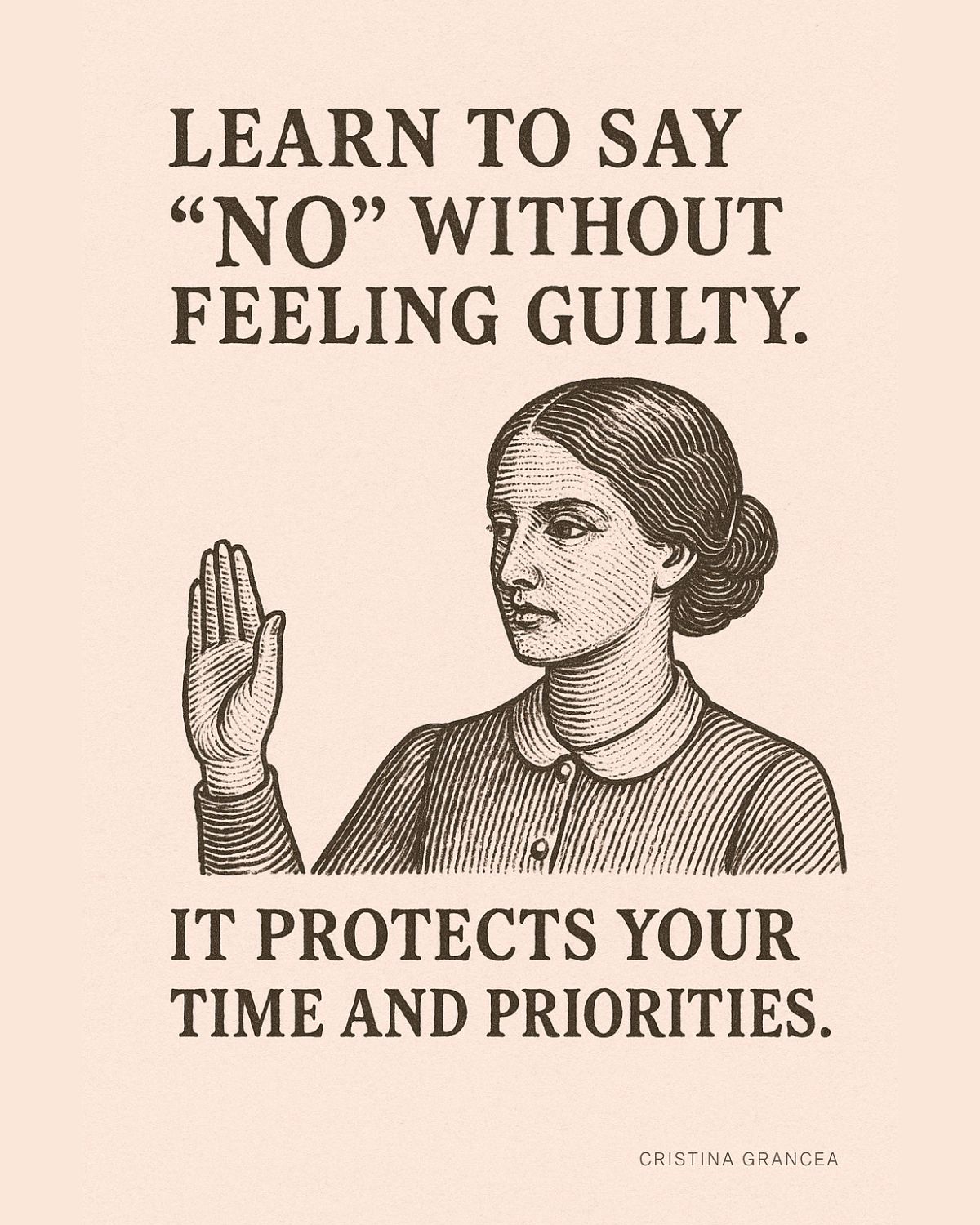
Cristina Grancea: Boundaries Aren’t Selfish, They’re a Strategy
If character is tested by failure, it’s sustained by energy. Cristina Grancea argues that many leaders are running on empty, confusing constant availability with good leadership. She learned the hard way that burnout doesn’t just hurt you; it sets a toxic pace for your entire team.
Her insight is simple but powerful: treating boundaries as a core leadership tool isn’t an indulgence, it’s a responsibility. When a leader is always running on empty, they set that as the standard for everyone else. Protecting your own energy is a strategic move to protect the team’s performance.
“Protecting my energy isn’t a personal indulgence. It’s a leadership responsibility.”
How to put this into action:
- Your energy is contagious. If you’re stressed and stretched thin, that anxiety will ripple through your company. A calm, focused leader creates a calm, focused team. Your well-being is a business asset.
- Model the behavior you want to see. Sending emails at midnight gives your team permission to do the same, even if you tell them not to. Your actions are the real company policy. When you unplug, you give them permission to do the same.
- Boundaries are about effectiveness, not absence. The goal isn’t to work less; it’s to show up as your best self when you are working. A rested mind makes better decisions.
Read our full coverage of Cristina Grancea’s insights →
Surabhi Shenoy: Trust Isn’t Magic, It’s a System
What’s the result of leading with character, owning failure, and setting boundaries? Trust. Surabhi Shenoy explains that trust isn’t just a vague feeling; it’s a measurable system that provides a massive economic advantage. When trust is high, deals close faster, teams take smart risks, and customers commit instead of compare.
She warns that founders often pay a “trust tax” without even realizing it, where every process feels harder and slower than it should. This friction is a direct cost of a low-trust environment.
“You can’t measure trust easily. But you always pay when it drops.”
Here’s how to build your trust system:
- Trust is built in small, repeatable moments. It’s not one big, heroic act. It’s consistently doing what you say you’ll do, admitting when you can’t, and communicating clearly. Every interaction either adds to or subtracts from the trust account.
- Low trust creates friction. Think about it. Why do deals take forever? Why do teams hesitate? Often, it’s a lack of trust. Building a high-trust environment is like greasing the gears of your entire business.
- Treat trust as a key performance indicator. While you can’t put it on a dashboard easily, you can ask questions that measure it. Do people feel safe to disagree? Is information shared freely? The answers tell you how healthy your trust system really is.
Read our full coverage of Surabhi Shenoy’s insights →
Martin Wirtschafter: Learn to Put Down the Weight That Isn’t Yours
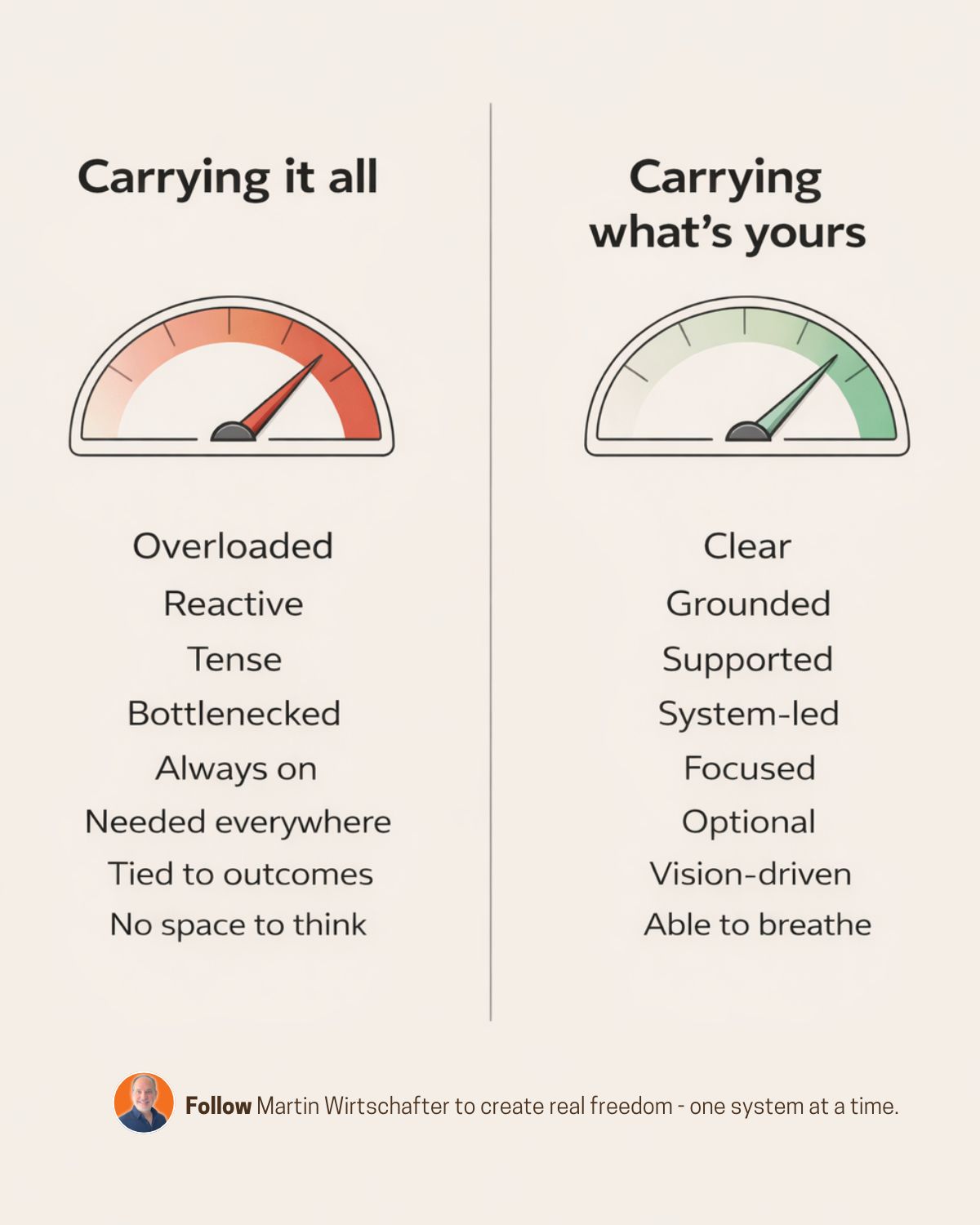
This final insight goes deeper, into the psychology of leadership. Martin Wirtschafter shares a vulnerable story about mistaking the weight of anxiety for the responsibility of leadership. He was constantly scanning for problems, catching things before they broke, not out of strategic foresight, but out of a deep-seated fear of failure.
He realized that true leadership isn’t about carrying everything yourself; it’s about choosing what to carry and what to put down. This distinction is crucial for long-term survival and effectiveness.
“Leadership is a choice you make in the moment. Weight is what you carry when you forget you’re allowed to put it down.”
How to separate weight from responsibility:
- Distinguish between responsibility and weight. Responsibility is active; it’s making a call, owning a decision. Weight is passive; it’s the constant, low-level anxiety that everything might fall apart. Many leaders are crushed by weight, not responsibility.
- Your business shouldn’t be built around you. Wirtschafter realized he was running out of room to breathe because everything depended on him. The goal is to build a system that can run without you, freeing you up to be the architect, not the operator.
- Freedom is by design. Letting go isn’t an accident. It’s a conscious choice to trust your team, empower others to own decisions, and separate your identity from the operational success of the business.
Read our full coverage of Martin Wirtschafter’s insights →
Where Do You Go From Here?
So, what’s the common thread? It’s that effective leadership is less about mastering external tactics and more about mastering yourself.
It starts with your character (Carrillo), which is proven when you own your failures (Divet). That integrity is sustained by setting healthy boundaries (Grancea), which builds a system of trust (Shenoy). And all of it becomes possible only when you learn to put down the emotional weight that isn’t yours to carry (Wirtschafter).
Stop looking for the next growth hack or management framework. The biggest lever you have is you.
Key Takeaways at a Glance
| Author | Key Insight |
|---|---|
| Christine Carrillo | Lead with character, not credentials. It’s the only thing that builds lasting influence. |
| Florence Divet ☀️ | Your team can handle your mistakes, but they can’t handle your denial. Own it fast. |
| Cristina Grancea | Protecting your energy with boundaries isn’t selfish; it’s a core leadership responsibility. |
| Surabhi Shenoy | Trust isn’t a feeling, it’s a system. When it’s low, you pay a hidden tax on everything. |
| Martin Wirtschafter | Stop confusing the weight of anxiety with the responsibility of leadership. Learn to put it down. |
The real question isn’t what you’re going to do tomorrow. It’s who are you going to be? Which of these inner challenges resonates most with you right now?
Featured in this Roundup
This article synthesizes insights from the following LinkedIn thought leaders. Click through to read their original posts: