
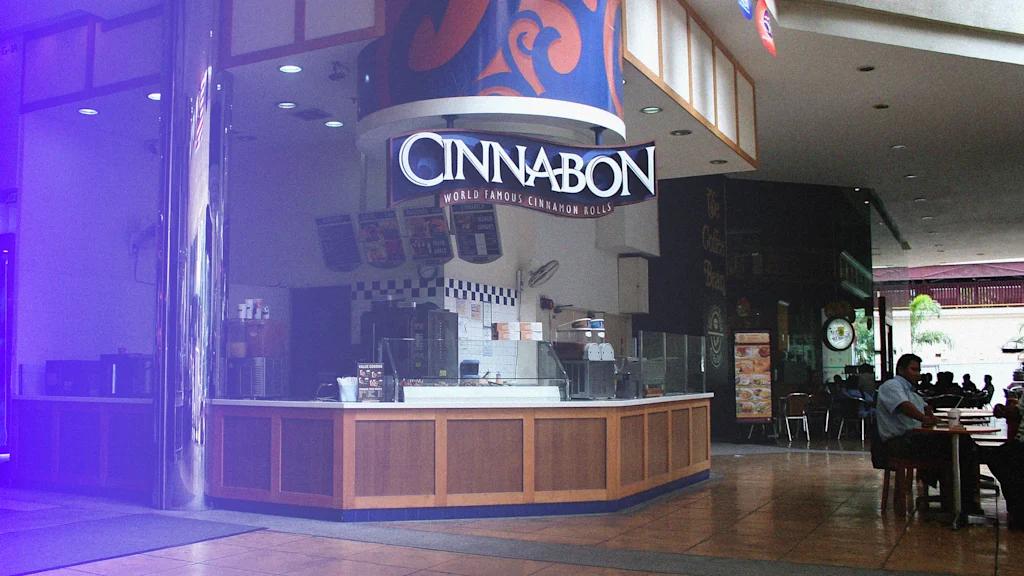
In a recent LinkedIn post, Suzanne Lucas discusses the complex challenges businesses face when employees encounter inappropriate customer behavior, particularly in the age of social media virality. Lucas uses the widely reported Cinnabon incident as a case study to highlight the need for clear company policies and employee training.
The Cinnabon Incident and Its Implications
The incident, as summarized by Lucas, involved a Cinnabon employee being subjected to inappropriate comments from customers, to which the employee responded with a racist statement. Cinnabon’s decision to terminate the employee, while understandable from a conduct perspective, prompts Lucas to question the broader responsibilities of businesses in such situations.
“Do you think sexualizing your body makes you a better person?”
“I am racist, and I’ll say that to the whole entire world."
Lucas emphasizes that neither of these statements is appropriate for the workplace, regardless of the provocation. However, she pivots to the critical question of how companies should equip their staff to handle such scenarios, especially when customers themselves instigate the misconduct.
Addressing Customer Misconduct and Social Media Risks
Lucas raises pertinent questions regarding the preparedness of businesses to manage interactions where customers behave inappropriately or seek to film employees.
The Rise of Viral Content
“Everyone is chasing their viral moment, and they may want your employees to be the unwilling and unwitting star of their next TikTok,” Lucas observes. This highlights a growing concern for businesses: employees can inadvertently become subjects of viral content, often without their consent or control, potentially leading to reputational damage or personal distress.
The Need for Clear Policies and De-escalation Training
To counter these risks, Suzanne Lucas advocates for robust policies that empower employees. She stresses the importance of providing staff with the means to manage difficult customer interactions effectively.
“Your employees have to have the ability to walk away, get a manager for support, and learn to de-escalate.”
According to Lucas, these measures are crucial not only for maintaining a professional environment but also for protecting employees from harassment and exploitation. She suggests that companies must proactively develop protocols for situations ranging from verbal abuse to unauthorized filming, ensuring employees have a clear framework for response and support.
Protecting Employees in Customer Interactions
Lucas’s analysis underscores that while employee conduct is subject to company rules, the reciprocal responsibility to protect employees from abusive or exploitative customer behavior is equally vital. The insights shared by Lucas serve as a call to action for businesses to review and strengthen their policies on customer interactions, employee conduct, and the management of digital content involving their staff.
“But do you have a policy for what your employees should do when the customers behave inappropriately? What about when customers want to film your employees? Are they required to stay behind the counter or can they walk away?”
By addressing these critical questions, businesses can foster a safer and more respectful environment for both their employees and their customers, navigating the complexities of modern customer engagement with greater confidence and preparedness.
📝 About This Content
This article is based on insights shared by Suzanne Lucas on LinkedIn.
📅 Originally posted on December 15, 2025 | View original post on LinkedIn →