
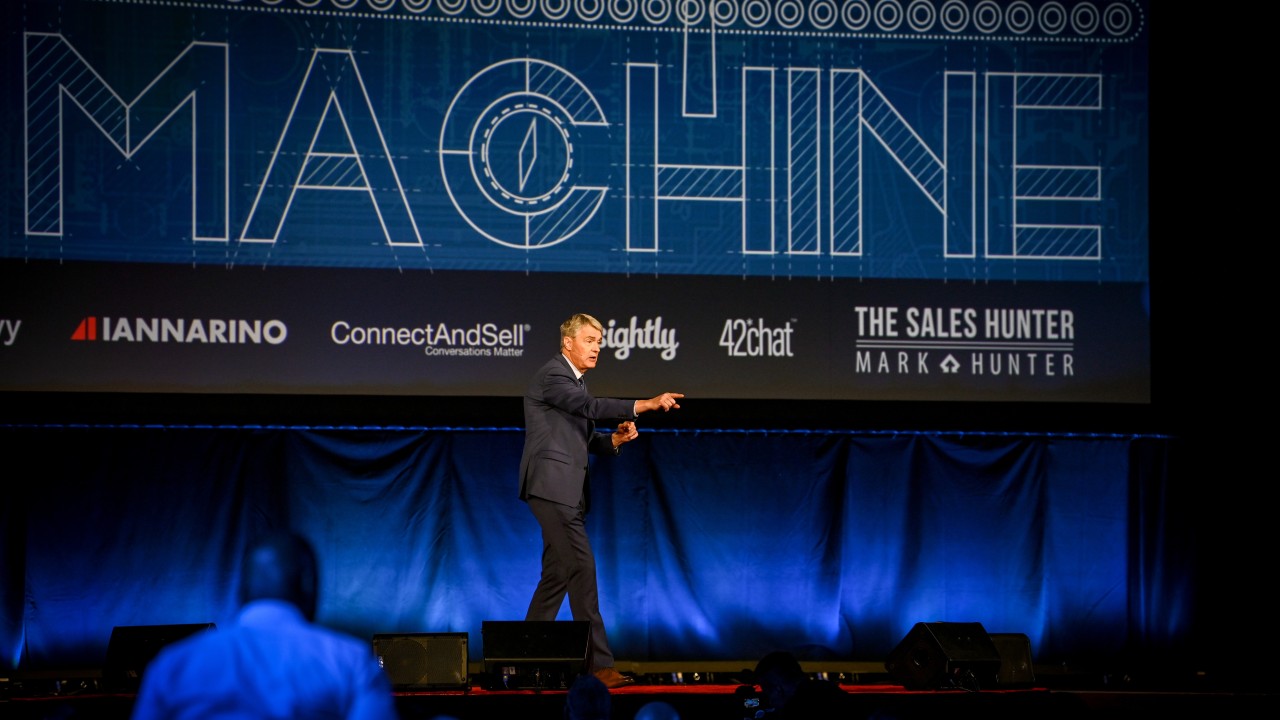
In a recent LinkedIn post, Mark Hunter discusses a common sales challenge: how to approach price objections. Hunter, known for his insights into sales strategy, suggests a fundamental shift in perspective, urging professionals to view price concerns not as roadblocks, but as opportunities for deeper engagement and value demonstration.
He begins by challenging the traditional adversarial view of price objections. According to Hunter:
“Too often, we treat price objections like the enemy, but they’re really just a signal.”
This framing immediately reframes the interaction from a confrontation to a communication. Hunter emphasizes that a customer questioning the price is not necessarily rejecting the product or service itself, but rather seeking further validation and understanding.
Understanding the ‘Why’ Behind Price Pushback
Hunter elaborates on the underlying motivations when a customer hesitates on price. He posits that these moments are critical junctures where a salesperson can build trust and solidify a relationship. As Mark Hunter notes, customers aren’t inherently trying to undermine the sale; they are looking for reassurance.
“A customer pushing back isn’t rejecting you; they’re looking for clarity, assurance, and proof that your solution delivers results.”
This perspective encourages sales professionals to move beyond defensive posturing. Instead of preparing rebuttals to counter price concerns, the focus should be on proactive value communication. Hunter’s advice centers on understanding the customer’s specific needs and demonstrating how the proposed solution directly addresses those needs and delivers tangible outcomes.
Connecting Price to Value and Outcomes
The core of Hunter’s strategy lies in shifting the conversation from cost to value. He argues that the most effective way to handle price objections is to consistently link the investment to the customer’s desired results. This requires a deep understanding of the client’s business and the impact the product or service will have.
Hunter suggests that the key to overcoming price resistance is not to justify the price itself, but to illuminate the value proposition. In his view:
“The secret? Focus less on defending your price and more on connecting it to their outcomes.”
By focusing on the benefits and the return on investment, sales professionals can transform a potential deal-breaker into a value-affirming discussion. This approach helps build confidence and reinforces the idea that the price is an investment in achieving specific, positive results.
Building Long-Term Partnerships Through Value
Ultimately, Mark Hunter advocates for a sales approach that prioritizes long-term relationships over short-term wins. He believes that by effectively communicating value and demonstrating impact, businesses can foster loyalty and turn one-time customers into enduring partners.
Hunter concludes his post with a powerful statement on the outcome of this value-driven approach:
“When you lead with confidence, show the impact, and protect your value, you don’t just win deals, you earn partners who stick around.”
This perspective underscores the importance of consistent value articulation throughout the sales process. By confidently presenting the benefits and ensuring the customer understands the return on their investment, businesses can cultivate relationships built on trust and mutual success, leading to sustained loyalty and partnership.
📝 About This Content
This article is based on insights shared by Mark Hunter on LinkedIn.
📅 Originally posted on April 16, 2026 | View original post on LinkedIn →