
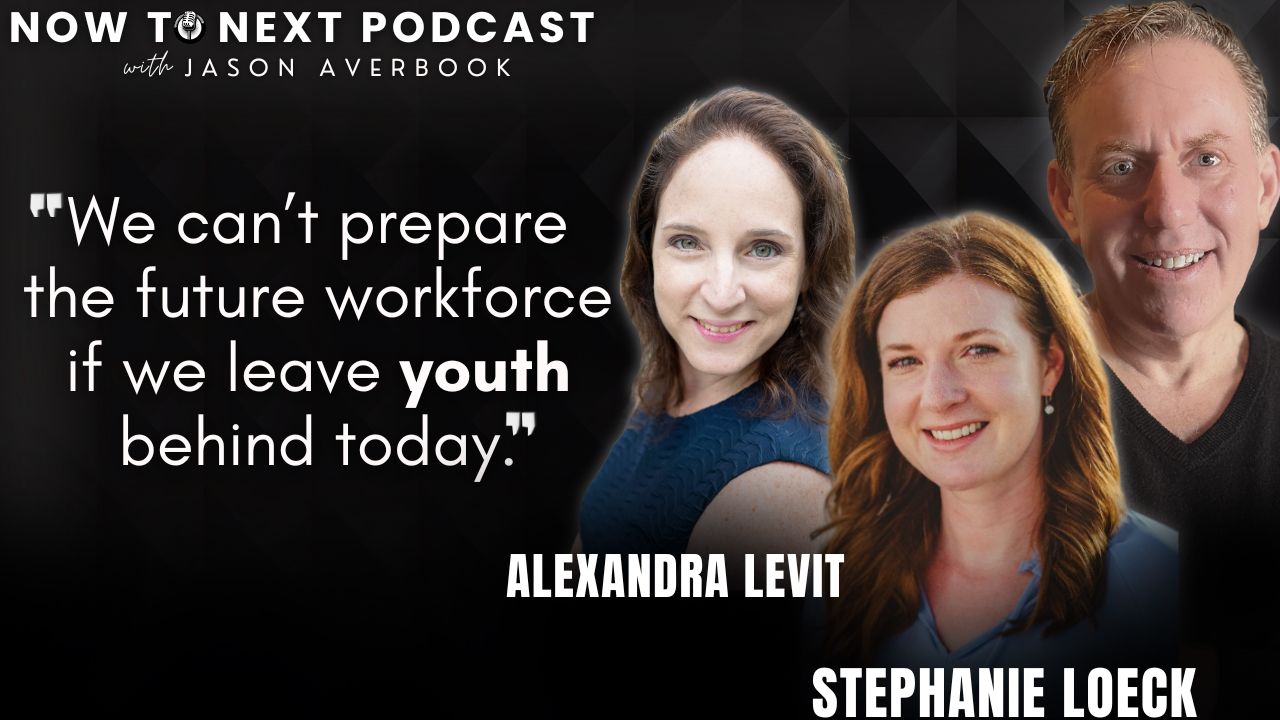
In a recent LinkedIn post, Jason Averbook discusses the urgent need to reimagine career pathways, emphasizing the critical role of work-based learning in preparing the next generation for meaningful employment. Averbook, who recently spoke with Alexandra Levit and Stephanie (Short) Loeck on the “Now to Next” podcast, highlights that traditional four-year college degrees are not the only, or even the best, route for everyone.
Averbook shares key insights from their conversation, stressing that the nature of entry-level roles is evolving. To succeed in today’s dynamic workforce, students require practical, real-world experience much earlier in their educational journeys. He elaborates on the concept of work-based learning, defining it as a combination of aspiration, ability, and agency.
“Work-based learning = aspiration + ability + agency. It’s more than observation but active participation, skill building, and confidence development.”
This approach, as Averbook explains, goes beyond mere observation, advocating for active participation that builds essential skills and fosters confidence. He points out that the skills needed for the future, specifically by 2026 and beyond, are teachable. However, this requires a concerted effort from schools, parents, and communities to collaboratively cultivate critical abilities such as problem-solving, creativity, and sound human judgment.
The Shifting Landscape of Education and Employment
The pace of change in the professional world is accelerating, a point Averbook underscores. He observes that today’s students are increasingly receptive to alternative educational and career paths. They are actively seeking out opportunities that offer practical experience and clear pathways to employment, moving away from a singular focus on traditional academic routes.
According to Averbook, this shift signifies a growing demand for educational models that are more closely aligned with industry needs. The insights shared in his post are further detailed in the upcoming book, “Make School Work,” co-authored by Levit and Loeck, which is set to be released in January 2026. Averbook notes that this book offers a practical framework designed to bridge the gap between education and industry, ultimately benefiting students, businesses, and communities.
“Change is happening faster than you think. Students today are more open to alternative paths, demanding practical experience and pathways that actually lead to opportunities.”
Fostering Future Readiness
Averbook emphasizes that fostering this new paradigm requires a collaborative ecosystem. Schools must adapt their curricula to include more hands-on learning opportunities, while parents and community members play a vital role in guiding students toward these alternative pathways. The focus, as Averbook highlights, should be on developing a workforce that is not only knowledgeable but also adaptable and experienced.
He concludes by encouraging those invested in education, workforce readiness, or the future of work to engage with the “Now to Next” podcast episode. As Averbook puts it:
“If you care about education, workforce readiness, or the future of work, this episode is a must-listen.”
The conversation, as presented by Averbook on LinkedIn, serves as a compelling call to action for stakeholders to embrace and implement effective work-based learning strategies, thereby creating a more robust and responsive future workforce.
📝 About This Content
This article is based on insights shared by Jason Averbook on LinkedIn.
📅 Originally posted on December 15, 2025 | View original post on LinkedIn →