
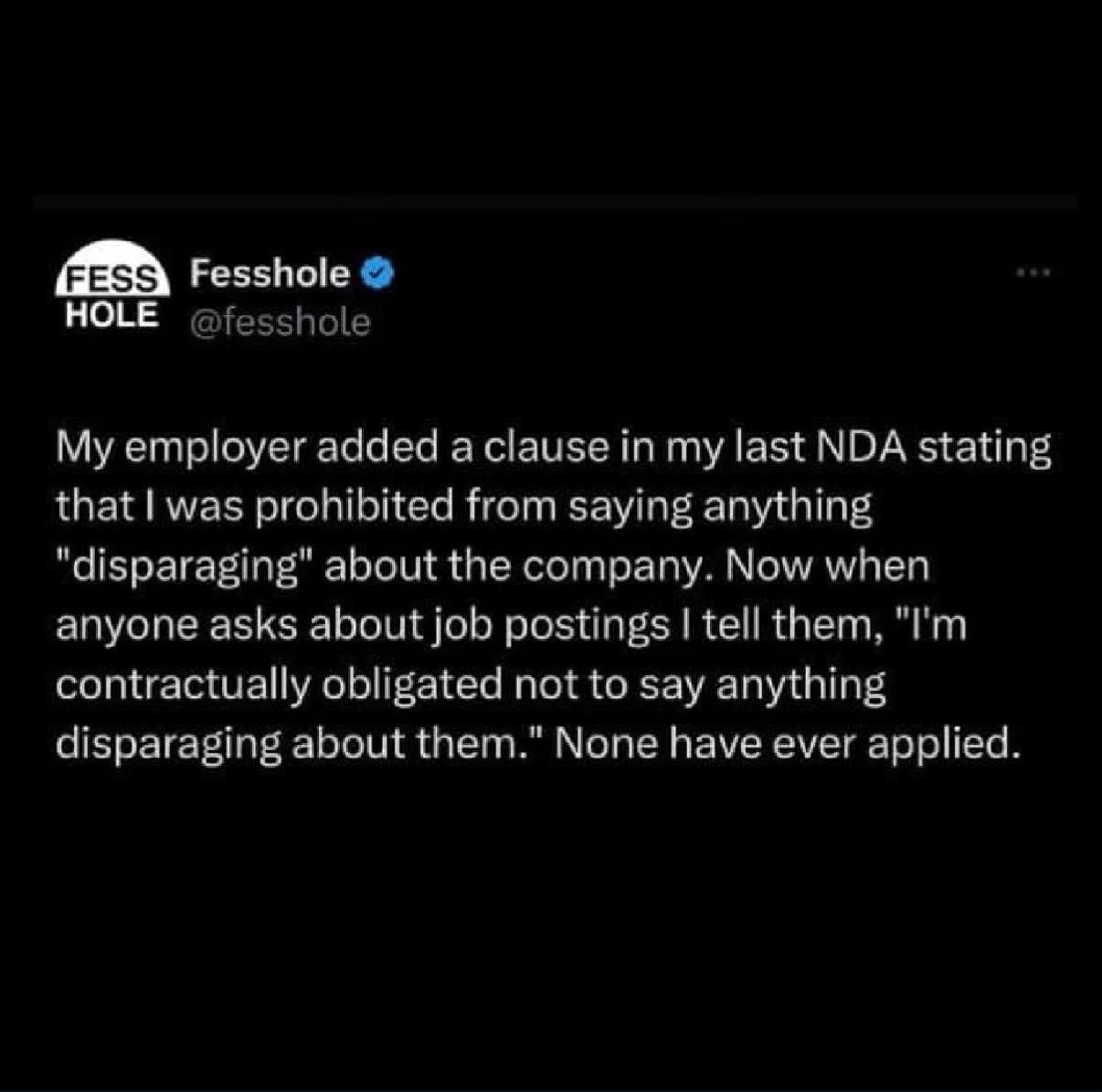
In a recent LinkedIn post, Suzanne Lucas discusses the often counterproductive nature of attempting to suppress negative truths, particularly within a professional context. Lucas, a recognized expert in HR and business, suggests that proactive problem-solving is a more effective strategy than attempting to hide or deny issues.
The Perils of Suppressing Information
Lucas begins by highlighting a fundamental principle she’s observed: the tendency for suppressed truths to magnify. She states,
“One thing I’ve learned is that trying to suppress the truth generally makes it sound much worse than it is.”
This observation forms the crux of her argument, suggesting that transparency, even when uncomfortable, can mitigate potential damage. Lucas cautions against a knee-jerk reaction to conceal information, implying that such actions can backfire spectacularly, leading to greater reputational harm.
Strategic Disclosure and Proactive Solutions
While acknowledging the legal standard for non-disparagement clauses in agreements like general releases, Lucas pivots to a strategic approach for businesses. She advises readers to consider the underlying reasons for wanting to suppress information.
Identifying and Addressing Root Causes
According to Lucas, the most effective path forward involves confronting the source of the potential negative revelation. “But I will advocate for you to consider just what are you afraid will come out. Fix that,” she urges. This perspective frames potential negative information not as an inevitable crisis, but as an indicator of existing problems that require attention and resolution. By addressing the core issue, businesses can preemptively neutralize the threat of damaging revelations.
Demonstrating Remediation
Lucas further elaborates on the benefits of this proactive stance. She suggests that once the underlying issue is fixed, the business is better positioned to handle any public disclosure. “Then when it does come out you can demonstrate how you’ve fixed it,” she points out. This approach allows a company to showcase its commitment to improvement and accountability, potentially turning a negative situation into an opportunity to build trust and demonstrate resilience. She emphasizes the importance of consulting legal counsel for specific situations, noting, “Yes, non-disparagement clauses are standard in things like general releases. And I’m not advocating you take this person’s path. Consult your own attorney.” This highlights that while her advice focuses on strategic communication and problem-solving, legal considerations remain paramount.
A Call for Accountability and Transparency
Ultimately, Suzanne Lucas’s insights on LinkedIn advocate for a more transparent and accountable approach to managing sensitive information within organizations. By focusing on fixing underlying problems rather than suppressing truths, businesses can better navigate potential crises and foster a stronger reputation built on demonstrable action rather than concealment.
📝 About This Content
This article is based on insights shared by Suzanne Lucas on LinkedIn.
📅 Originally posted on November 25, 2025 | View original post on LinkedIn →