
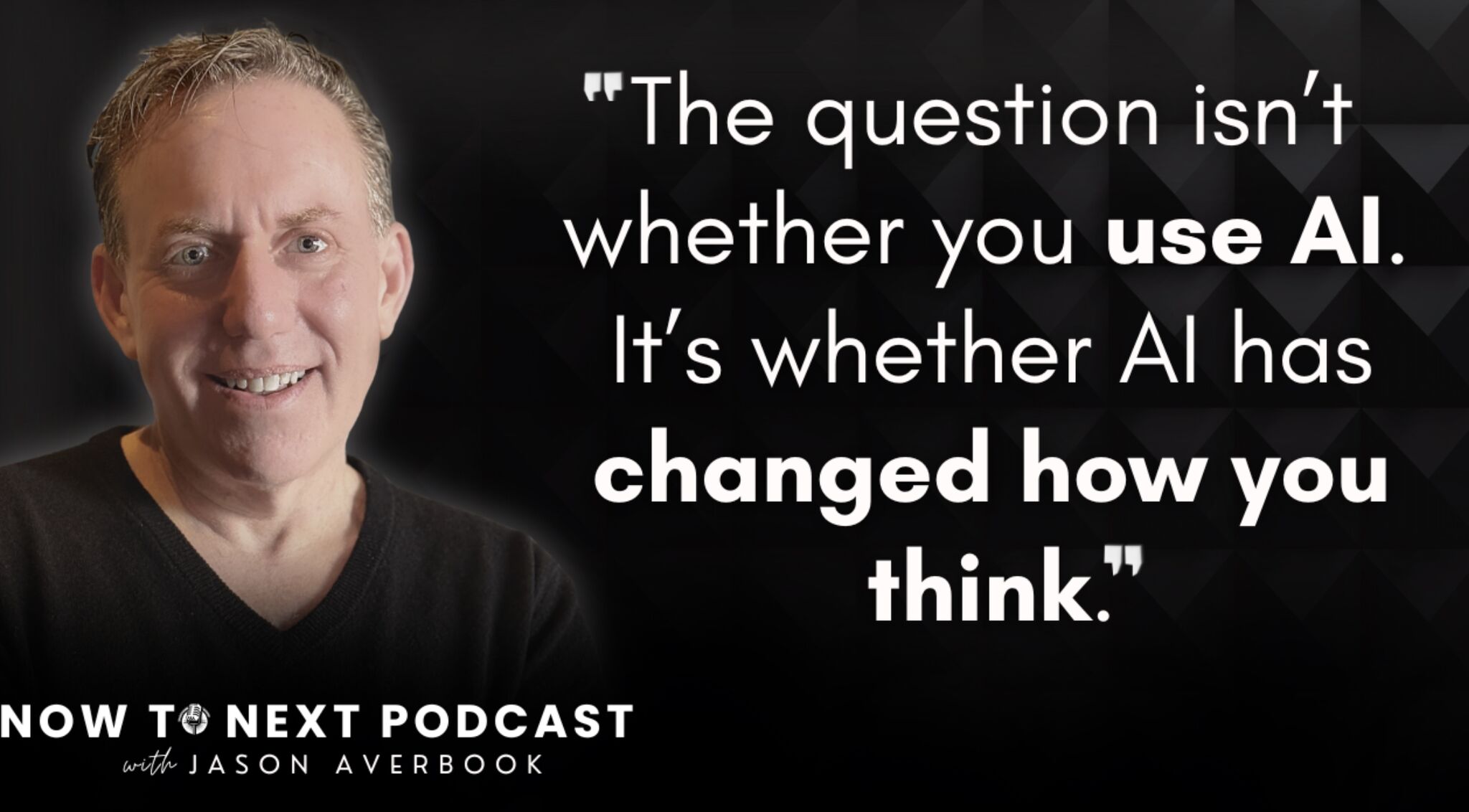
In a recent LinkedIn post, Jason Averbook discusses a confluence of economic and technological shifts, arguing they signal the emergence of a “K-shaped knowledge economy” within organizations. Averbook highlights three seemingly disparate events from the past week – the first anniversary of “vibe coding,” a bifurcated jobs report, and a significant downturn in software stocks – as indicators of this fundamental change.
Averbook posits that these are not isolated incidents but rather symptoms of a deeper transformation. He observes:
“Everyone’s talking about these as separate headlines. They’re not. They’re all symptoms of the same thing: a K-shaped knowledge economy that’s forming inside your organization right now, and your performance management systems will never see it.”
The core of Averbook’s argument centers on the accelerating impact of Artificial Intelligence (AI) on individual performance and the widening chasm between those who embrace it and those who do not. He shares a personal anecdote about a colleague who proactively integrated AI as a “thinking partner” 18 months prior. This colleague, according to Averbook, achieved a fivefold increase in key sales metrics compared to peers in the same role, with identical access to tools and compensation.
The Compounding Nature of AI Skills
Averbook expresses concern over the compounding nature of skills acquired through AI adoption. He argues that the earlier an individual begins leveraging AI effectively, the more insurmountable the performance gap becomes for others. This widening disparity, he contends, is largely invisible to traditional organizational metrics and engagement surveys.
“The skills that compound have a cruelty to them,” Averbook writes. “The earlier someone starts, the more impossible it becomes for others to catch up. That gap isn’t closing. It’s widening every day, every month, and your engagement surveys aren’t going to catch it.”
This leads Averbook to question the fundamental approach to AI within businesses. He suggests that the focus should shift from mere adoption to genuine integration and cognitive change.
Adoption vs. Embodiment of AI
The critical distinction, as highlighted by Averbook, lies between AI “adoption” and AI “embodiment.” While many organizations are still preoccupied with measuring simple AI tool usage, such as login counts, Averbook insists the real measure of success is how deeply AI has altered an individual’s thinking processes.
“The question isn’t whether your people use AI anymore,” Averbook states. “The question is whether AI has changed how they think. That’s the difference between adoption and embodiment, and most organizations are still stuck measuring logins when they should be measuring rewiring.”
The Imminent Demand for AI Fluency
Looking ahead, Averbook makes a bold prediction regarding hiring practices. He asserts that within the next 18 months, companies will begin requiring demonstrated AI fluency during the interview process. This, he implies, is not a future goal but a present reality that many organizations are ill-prepared for, especially those still focused on developing outdated training programs.
Averbook concludes by urging leaders to consider where their organizations and employees stand in this evolving landscape, posing the question: “Which arm of the K are you on?” His analysis underscores the urgent need for businesses to adapt their strategies and performance management systems to account for the profound impact of AI on the modern workforce.
📝 About This Content
This article is based on insights shared by Jason Averbook on LinkedIn.
📅 Originally posted on February 8, 2026 | View original post on LinkedIn →