
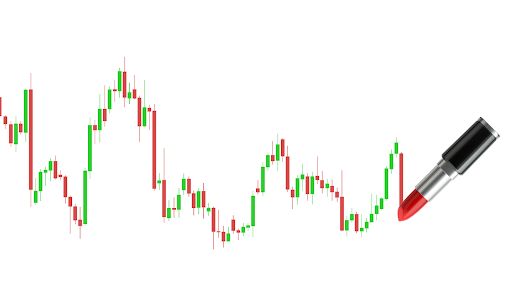
Inflation is a hot topic in a time of rising prices and decreasing currency values. There are many things that we’d associate with inflation, but here’s one that will probably surprise you: lipstick. So how does this little piece of cosmetic material relate to prices and currencies?
The Lipstick Index
Let’s rewind 21 years back to 2001. Following the 1997 Asian Financial Crisis, a recession has hit Western economies. Inflation is surging.
During that year, Leonard Lauder, the former chairman of Estee Lauder Cos., coined the term Lipstick Index after noting the rise in the sale of lipstick during Q3 2001. The trend suggested that women living through uncertain economic times eschew other treats in favour of beauty products like lipstick as it is far more affordable than, say, shopping for clothes or indulging in fine dining.
Even today, as we are looking ahead to a likely recession in some markets, cosmetic product sales are seeing yet another rise. Unsurprisingly, lipstick once again leads the way, even after the inflation index shifted to foundation in 2008 and 2009.
What do cosmetic sales say about inflation today?
In the United Kingdom, the consumer price index or CPI rose to 10.1% as of July 2022, from 9.4% 12 months back. The CPI is a great indicator of the inflation rate, as it essentially gauges the change in the average price that consumers pay for a sample set of goods or services over a period of time.
From a recent Bloomberg opinion piece by Andrea Felsted, it was observed that beauty product sales have grown in spite of a downhill trajectory for consumer confidence, making the rise and fall of such prices a guide for a more grounded inflation analysis.
It should be noted, though, that the choice of benchmark product depends on the overall situation of the time. For example, during the pandemic, it was noted that the sales of applied cosmetics such as foundation and lipsticks became secondary to scent and skin-care products. This indicates how the limits set by pandemic health measures affect consumer beauty priorities.