
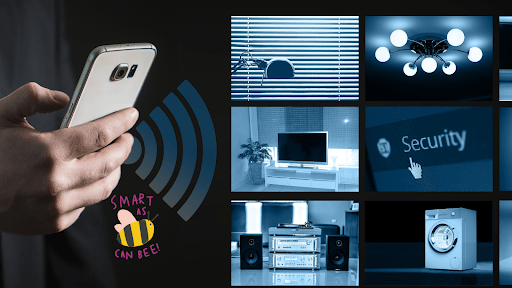
Homes are becoming smarter. Thanks to the technology known as the Internet of Things, everything from turning the lights and ventilation on to remotely running your household systems are possible through apps, voice commands or mere gestures.
There are many advantages for customers from setting up a home with appliances and devices that they can hook up to and control via the internet.
Businesses can take advantage of smart home subscriptions for marketing purposes. While only 29% of adults worldwide said they’d like to discover products digitally through smart home devices, according to a Facebook IQ survey in 2020, eMarketer argues in a recent report that “Brands that focus on consumer trust and are not afraid to experiment can increase their reach.”
Customers tend to subscribe to several services to complete their smart home experience. These subscriptions often come rather conveniently with their own devices and are built for certain specialised purposes.
Brands have cleverly exploited these channels.Take for example, the automated pet-feeder PetNet or programmable subscriptions like IFTTT.
When businesses feature their brands in their smart home systems, they practically expand their reach to a broader market. For example, Amazon Alexa customers can use the Tide cleaning app to determine how to remove specific stains.
Subscriptions can generate more profits through replenishment sales. Providing customers with a convenient and steady source of supply for things they need is a mutually-beneficial way to make a profit. A famous example is HP Instant Ink, which monitors cartridge ink levels and automatically replaces them as needed.
Locking in customers in this way creates a recurring stream of profit and businesses can collect customer data and create offers that add value to their day-to-day lives. A win-win if we’ve ever heard one.