
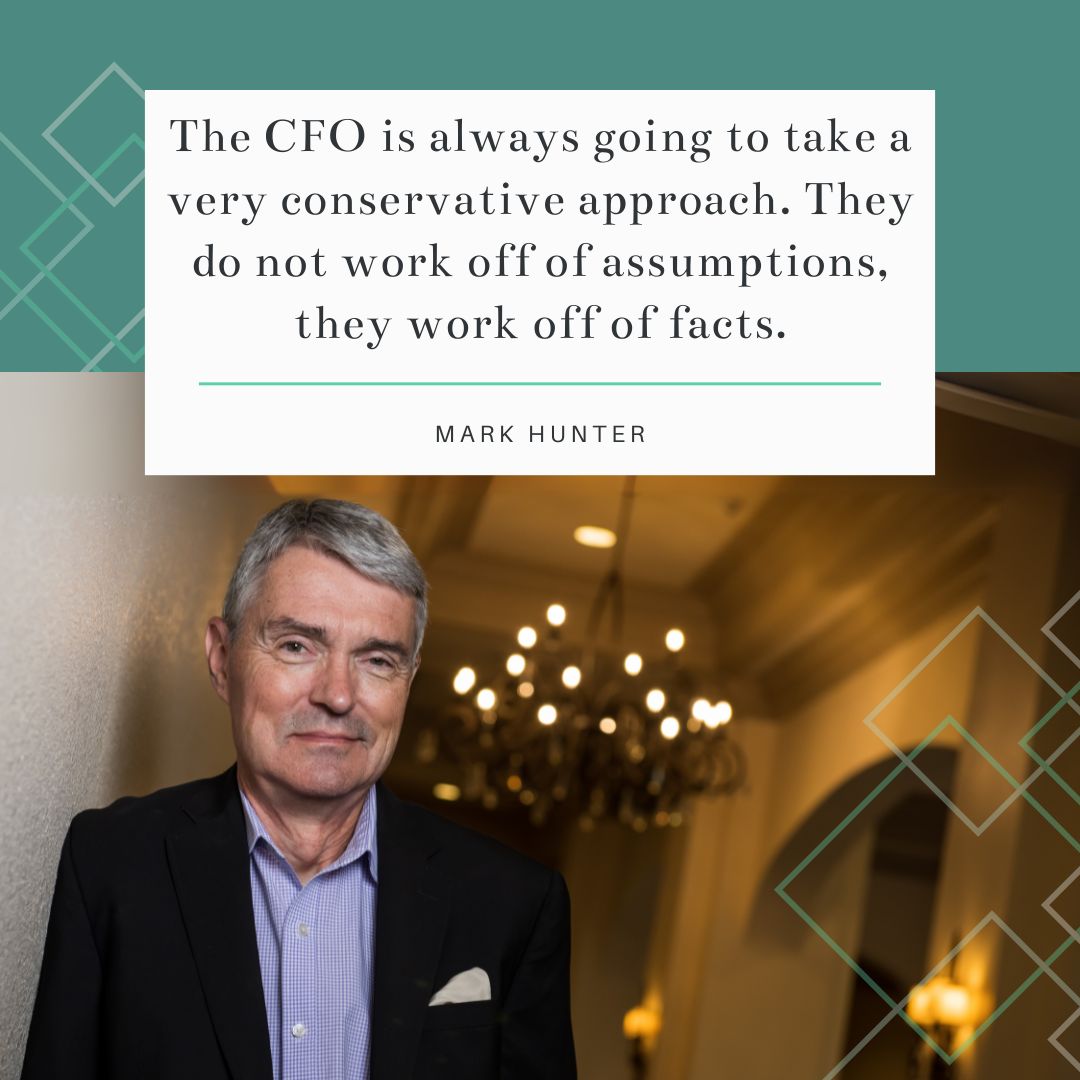
In a recent LinkedIn post, Mark Hunter discusses the evolving role of the Chief Financial Officer (CFO) in modern sales cycles and offers insights on how to effectively engage with these key decision-makers. Hunter emphasizes that in today’s economic landscape, understanding and addressing the financial concerns of the CFO is paramount for any sales professional aiming to close deals.
Mark Hunter highlights the shift in influence, stating:
“In this episode of Sales Logic, Meridith Elliott Powell and I break down why CFOs have become the true decision-makers in today’s buying cycles—and what it really takes to earn their trust.”
The post, which references an episode of “Sales Logic” featuring Hunter and Meridith Elliott Powell, delves into the specific strategies required to gain the confidence of financial leaders. Hunter’s core message is that superficial sales tactics are no longer effective.
The CFO’s New Authority in Sales
Hunter explains that the CFO’s role has expanded beyond traditional financial oversight to become a central figure in procurement decisions. This shift necessitates a more sophisticated approach from sales teams.
As Mark Hunter notes, the key to success lies not in grand gestures, but in a solid foundation of trust built on tangible metrics and clear communication. He elaborates on what this entails:
“It’s not about flashy presentations or big promises. It’s about integrity, financial understanding, and clearly articulating risk, ROI, and value.”
This perspective underscores the need for sales professionals to move beyond product features and focus on the bottom-line impact for the client’s organization. Preparation, according to Hunter, is no longer a suggestion but a prerequisite for any meaningful engagement with a CFO.
Speaking the Language of Finance
Mark Hunter stresses the importance of sales professionals understanding and articulating concepts that resonate directly with a CFO’s responsibilities. This includes a deep comprehension of risk assessment, return on investment (ROI), and overall business value proposition.
According to Mark Hunter, mastering this aspect of sales communication is crucial. He points out the necessity of:
“how to speak the CFO’s language, why preparation matters more than ever, and how confidence (without arrogance) can make or break the conversation.”
This suggests that a sales approach grounded in financial acumen and presented with assuredness, rather than overt confidence, is most likely to succeed. The implication is that sales teams must be as financially literate as they are adept at product knowledge.
The Importance of Integrity and Value
Hunter’s analysis suggests that building a relationship with a CFO is an exercise in demonstrating reliability and a clear understanding of financial implications. The focus should be on presenting a case that is not only compelling but also financially sound and strategically beneficial for the company.
Ultimately, Mark Hunter positions the CFO as the gatekeeper of major deals, whose approval is contingent upon a sales professional’s ability to demonstrate integrity, financial understanding, and a clear articulation of value and risk. He concludes by framing the discussion as essential for those operating in the current economic climate:
“If you’re selling in today’s economy, this is a must-listen.”
This final assertion reinforces the idea that adapting sales strategies to meet the financial scrutiny of today’s CFOs is a critical factor for success in the contemporary business environment.
📝 About This Content
This article is based on insights shared by Mark Hunter on LinkedIn.
📅 Originally posted on December 23, 2025 | View original post on LinkedIn →